Introduction to Consumer Electronic Devices
Consumer electronic devices have become an essential part of modern life, helping people communicate, work, study, shop and relax with greater convenience. From smartphones and laptops to wireless headphones and smart televisions, technology is now deeply connected to everyday routines. Rapid innovation is also making these products faster, smarter and more personalised for consumers.
The latest generation of consumer electronic devices is moving beyond basic functionality. Artificial intelligence, connected ecosystems, improved processors and energy-efficient designs are changing how people interact with technology. As these developments continue, consumers are gaining access to products that can understand preferences, automate everyday tasks and provide increasingly seamless digital experiences.
What Are Consumer Electronic Devices?
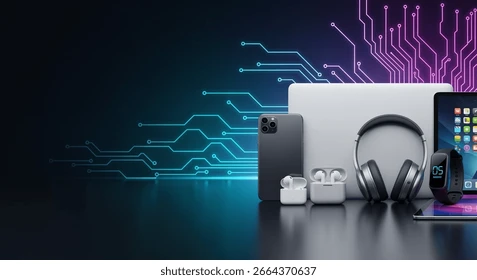
Consumer electronic devices are electronic products designed primarily for personal, household or entertainment use. Common examples include smartphones, tablets, computers, televisions, gaming consoles, smartwatches, speakers, headphones and connected home appliances. These products use electronic components and software to deliver practical functions, entertainment, communication and productivity.
Modern consumer electronic devices are also becoming increasingly interconnected. A smartphone can control smart lights, a smartwatch can synchronise with a laptop, and a television can connect with streaming services and wireless speakers. This growing ecosystem means consumers are no longer purchasing individual gadgets alone; they are increasingly building connected technology environments around their daily needs.
The Rise of AI-Powered Electronics
Artificial intelligence is one of the most important forces influencing modern technology. AI is being integrated into smartphones, computers, cameras, televisions and other products to improve performance and personalise user experiences. Features such as intelligent photo editing, voice recognition, translation, recommendations and automated settings are becoming increasingly common.
The development of on-device AI is particularly significant because some processing can happen directly on the product rather than relying entirely on cloud services. This can improve responsiveness and potentially strengthen privacy. As processors become more capable, AI-powered consumer electronic devices are expected to handle increasingly sophisticated tasks while requiring less effort from users.
Smart Home Technology and Connected Living
Smart home technology is transforming ordinary houses into connected environments where multiple products can communicate and respond to user preferences. Smart bulbs, thermostats, security cameras, doorbells, speakers and appliances can often be managed through mobile applications or voice commands. This creates greater convenience while giving consumers more control over their homes.
Connected living can also support energy efficiency and automation. A smart thermostat can adjust settings according to household routines, while connected lighting can be scheduled to switch off automatically. However, consumers should also consider privacy, cybersecurity and compatibility when choosing smart products, particularly when several devices from different manufacturers need to work together.
Wearable Technology Becomes More Advanced

Wearable technology has developed considerably beyond simple fitness tracking. Smartwatches and fitness bands can provide notifications, navigation, activity information and personalised insights, while wireless earbuds increasingly offer advanced audio controls and intelligent features. Their compact designs allow users to access useful digital functions without constantly reaching for a smartphone.
Sensors and improved processing capabilities are helping wearable products become more responsive. Manufacturers are focusing on better battery life, comfort, connectivity and software integration to make wearables more practical throughout the day. As technology advances, wearable consumer electronic devices could become even more closely integrated with smartphones, computers and other connected products.
Smartphones, Tablets and Personal Computing
Smartphones remain at the centre of the modern technology ecosystem, combining communication, photography, entertainment, navigation, productivity and internet access in one portable product. Manufacturers continue to improve displays, cameras, processors, battery performance and software features. AI is also becoming an increasingly important part of the smartphone experience, from photography tools to personalised assistance.
Tablets and laptops are evolving alongside smartphones to support education, creative work, entertainment and professional tasks. Modern laptops increasingly focus on portability, battery efficiency and intelligent computing capabilities. Consumers now expect their devices to work together smoothly, allowing files, notifications, applications and other information to move easily between different products.
Sustainable Consumer Electronics
Sustainability is becoming an increasingly important consideration in the electronics industry. Consumers are paying greater attention to energy consumption, product durability, repairability and the environmental impact of manufacturing. Manufacturers are responding through more efficient components, recycled materials and designs intended to reduce waste throughout a product’s lifecycle.
Electronic waste remains a major challenge, making responsible purchasing and disposal increasingly important. Consumers can contribute by choosing durable products, extending device lifespans, using repair services where practical and recycling unwanted electronics through appropriate schemes. Longer software support can also make a product useful for more years, reducing the pressure to replace functioning hardware unnecessarily.
Privacy and Security in Connected Devices
As technology becomes more connected, privacy and cybersecurity have become important considerations for consumers. Smart cameras, microphones, location services and connected applications can collect or process significant amounts of information. Understanding what data a product collects and how that information is managed can help consumers make more informed purchasing decisions.
Strong passwords, regular software updates and secure home networks can provide important protection. Consumers should also review privacy settings and consider whether every connected feature is necessary. Security should be treated as an essential part of evaluating consumer electronic devices rather than an afterthought, particularly when products remain connected to the internet throughout the day.
The Future of Consumer Electronic Devices
The future of consumer electronic devices is likely to be shaped by greater intelligence, connectivity and personalisation. AI-native products, advanced wearables, spatial computing and increasingly automated homes could change how consumers interact with digital technology. Instead of requiring users to manage every function manually, future products may increasingly anticipate needs and respond automatically.
Developments in batteries, displays, processors and wireless connectivity could also make technology more efficient and versatile. The strongest products of the future may not simply offer more features but combine useful capabilities in ways that feel natural. Convenience, sustainability, privacy and compatibility are likely to remain central as consumers build increasingly connected digital lifestyles.
How to Choose the Right Consumer Electronics
Choosing the right technology requires more than comparing specifications. Consumers should first consider how they intend to use a product and which features genuinely matter. Performance, battery life, compatibility, durability and software support can have a greater effect on long-term satisfaction than a small difference in technical specifications.
Price is another important consideration, but the cheapest option is not always the best value. A durable product with reliable software updates, strong security and good energy efficiency may provide greater value over time. Consumers should also consider warranty coverage, repair options and compatibility with their existing technology before making a final purchase.
Conclusion: A Smarter Connected Future
The evolution of consumer electronic devices is creating a technology landscape that is more intelligent, connected and personalised than ever before. AI, smart home systems, wearable technology, advanced computing and sustainable design are influencing both the products available today and the innovations expected tomorrow.
For consumers, choosing technology is increasingly about finding the right balance between performance, convenience, security, sustainability and long-term value. As digital ecosystems continue to develop, the most useful products will be those that solve genuine problems while fitting naturally into everyday life.
Frequently Asked Questions
What are consumer electronic devices?
Consumer electronic devices are electronic products designed for personal, household, communication, entertainment or productivity purposes. Examples include smartphones, laptops, televisions, tablets, smartwatches, headphones, gaming devices and connected home products.
What are the latest trends in consumer electronics?
Major trends include artificial intelligence, smart home connectivity, advanced wearables, on-device processing, improved energy efficiency, sustainable manufacturing and greater integration between different personal devices.
How is AI changing consumer electronic devices?
AI is improving features such as voice assistance, photography, recommendations, translation, automation and personalisation. On-device AI is also allowing some intelligent processing to take place directly on compatible hardware.
Are smart electronic devices secure?
Smart devices can be secure when properly configured, but connected products can create privacy and cybersecurity risks. Consumers should use strong passwords, install software updates and review privacy and security settings regularly.
How can consumers choose better electronic products?
Consumers should consider their intended use, performance, battery life, compatibility, durability, software support, security, warranty and overall long-term value rather than focusing only on price or specifications.
Are consumer electronics becoming more sustainable?
Many manufacturers are working towards improved energy efficiency, recycled materials, longer-lasting products and better repairability. Consumers can also support sustainability by keeping devices longer and recycling unwanted electronics responsibly.
What will consumer electronics look like in the future?
Future products are likely to feature more advanced AI, improved connectivity, intelligent automation, sophisticated wearables, spatial computing and deeper integration between personal technology and smart environments.