Introduction to Collaborative Programming
Modern software development rarely happens in isolation. Developers increasingly work in teams where ideas, code, feedback and technical decisions are shared throughout a project. Collaborative programming brings programmers together to solve problems, build features and improve applications more efficiently. It combines coding skills with communication, shared responsibility and structured workflows to create stronger development processes.
As software projects become more complex, teams need reliable ways to work together without creating unnecessary delays or confusion. Collaborative programming provides a framework for developers to contribute their expertise while maintaining consistency across a codebase. From remote teams to large engineering departments, effective collaboration can improve productivity, encourage knowledge sharing and help teams deliver better software.
What Is Collaborative Programming?
Collaborative programming is an approach to software development where two or more developers work together on the same project, codebase or programming task. The collaboration may happen in real time through shared coding environments or asynchronously through version-control platforms, code reviews and project management systems. The goal is to combine individual expertise to produce reliable and maintainable software.
Unlike traditional development, where programmers may complete tasks independently before handing them to others, collaborative coding encourages continuous communication and feedback. Developers can discuss technical decisions, identify potential problems and review solutions together. This approach can be particularly valuable when projects involve complex requirements, multiple programming languages or teams working across different locations.
How Collaborative Programming Works
A typical collaborative programming workflow begins with planning. Team members identify project requirements, divide responsibilities and decide how their contributions will fit together. Developers then create or modify code using shared repositories, development environments and version-control systems. Changes can be tested and reviewed before being merged into the main project, helping the team maintain a stable codebase.
Communication remains an important part of the process. Developers may use real-time discussions for complicated tasks while relying on documentation and project-management tools for asynchronous work. Version control allows contributors to work on separate branches and combine approved changes later. With clear procedures, collaborative programming can reduce duplication, improve transparency and make it easier to understand how a project is progressing.
Key Benefits of Collaborative Programming
One of the biggest advantages of collaborative programming is improved code quality. When developers review one another’s work, mistakes and potential weaknesses can be identified earlier. Different programmers may also suggest alternative approaches that improve performance, security or maintainability. Instead of depending entirely on one person’s knowledge, teams can use collective expertise to create more thoughtful technical solutions.
Collaboration can also accelerate problem-solving. A developer who becomes stuck on a difficult bug does not necessarily have to spend hours searching for an answer alone. Another team member may recognise the problem immediately or suggest a different perspective. Collaborative programming also supports knowledge sharing, making it easier for junior developers to learn professional techniques while experienced developers gain insight into new approaches.
Popular Collaborative Programming Techniques
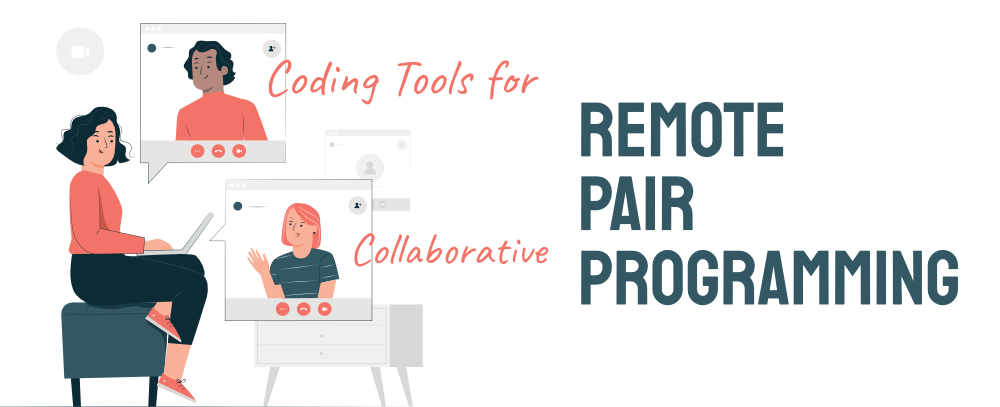
Pair programming is one of the best-known collaborative development techniques. Two developers work together on a programming task, often with one writing code while the other reviews the approach and identifies possible improvements. They can then switch roles regularly. This technique encourages communication and provides immediate feedback, making it useful for challenging features, debugging and mentoring.
Mob programming takes collaboration further by bringing several developers together to work on one task. The entire group contributes ideas while one person may control the development environment. Code reviews and live coding sessions are other useful techniques. The most effective method depends on the project’s requirements, team size and complexity, so teams should choose an approach that supports productivity rather than following a single method rigidly.
Popular Tools for Collaborative Programming
The right tools can make team coding considerably easier. Version-control platforms help developers track changes, create branches, review contributions and resolve conflicts. Shared development environments can allow multiple programmers to view or edit code together, while communication platforms provide spaces for discussions and technical decisions. Project-management systems can also help teams organise tasks and monitor progress.
When choosing collaborative programming tools, developers should consider more than real-time editing. Important features can include version control, code review, debugging support, automated testing, access management and integrations with existing development systems. A small team may need only a shared repository and communication platform, while a large organisation could benefit from a complete development ecosystem connecting coding, testing, deployment and project management.
Collaborative Programming for Remote Development Teams
Remote development has made effective collaboration more important than ever. Developers can work from different cities or countries while contributing to the same software project. Collaborative programming gives distributed teams a structured way to communicate, share code and review changes without requiring everyone to sit in the same office.
Remote teams should combine synchronous and asynchronous communication carefully. Live sessions are useful for complex discussions, debugging and pair programming, while written documentation is better for decisions that team members may need to revisit later. Clear coding standards, task descriptions and contribution guidelines can reduce misunderstandings and help developers remain productive even when their working hours do not overlap.
Challenges of Collaborative Programming
Although collaborative programming offers many advantages, it can also create challenges. Developers may disagree about implementation choices, coding styles or architectural decisions. Merge conflicts can occur when several people modify the same part of a project. Excessive meetings and constant notifications may also interrupt focused development, reducing the productivity that collaboration is supposed to improve.
Security and access control are additional considerations. Teams need to ensure that only authorised people can access sensitive repositories or development environments. Clear responsibilities can also prevent confusion about who owns particular tasks. By establishing coding standards, review processes, communication rules and appropriate permissions, organisations can reduce many of the problems associated with collaborative development.
Best Practices for Collaborative Programming
Successful collaboration begins with clear expectations. Teams should establish coding standards, naming conventions, documentation requirements and contribution guidelines before projects become complicated. Consistent version-control practices can also make it easier to manage branches, review changes and resolve conflicts. Developers should understand how their individual work connects to the wider project.
Code reviews should focus on improving the software rather than criticising individuals. Pull requests should ideally remain focused and understandable, allowing reviewers to provide useful feedback without becoming overwhelmed. Automated tests, linting and quality checks can provide another layer of protection. Most importantly, teams should balance collaboration with uninterrupted individual work so developers have enough time to concentrate deeply on complex problems.
How to Improve Productivity with Collaborative Programming
Productivity does not simply mean writing more lines of code. A productive development team solves the right problems, produces maintainable software and avoids unnecessary rework. Teams can improve results by selecting the right collaboration method for each task. Pair programming may be ideal for a complicated feature, while independent development followed by a thorough code review may work better for straightforward tasks.
Automation can further improve the development workflow. Automated testing, continuous integration and code-quality checks can catch problems before they reach production. Good documentation can also prevent developers from repeatedly asking the same questions or investigating decisions that have already been made. Collaborative programming becomes most effective when tools, communication and processes work together rather than operating as separate parts of the development cycle.
Collaborative Programming and the Future of Software Development
The future of software development is likely to involve increasingly connected teams and intelligent development environments. Cloud-based coding platforms already make it possible for developers to access projects from different locations and collaborate through shared environments. These technologies can reduce geographical barriers and create more flexible development workflows.
Artificial intelligence is also changing how developers approach programming. AI-assisted development tools can help generate code, explain unfamiliar functions and identify potential problems. However, human collaboration remains essential for understanding requirements, evaluating solutions and making important technical decisions. Collaborative programming is therefore likely to evolve rather than disappear, combining human expertise with increasingly capable development technologies.
How to Choose the Right Collaborative Programming Approach
There is no single collaboration method that works perfectly for every development team. Organisations should consider project complexity, team size, developer experience, deadlines and communication requirements. Pair programming may be valuable when quality and knowledge sharing are priorities, while asynchronous code reviews may be more appropriate when developers work across different time zones.
Teams should also consider how frequently developers need to collaborate. Not every task requires real-time interaction. A practical approach is to begin with a simple workflow, measure its effectiveness and make improvements based on actual team experience. The best collaborative programming strategy is one that improves software quality and communication without creating unnecessary interruptions.
Conclusion
Collaborative programming has become an important part of modern software development because it allows developers to combine technical knowledge, share ideas and solve problems collectively. Through pair programming, code reviews, shared repositories and remote development environments, teams can create more reliable and maintainable software while reducing knowledge silos.
The most successful teams do not rely on collaboration alone. They combine suitable tools with clear communication, consistent standards, automated testing and well-defined responsibilities. By choosing the right techniques for each situation, development teams can make collaboration productive without sacrificing individual focus. As software development continues to evolve, effective teamwork will remain a valuable advantage.
Frequently Asked Questions About Collaborative Programming
What is collaborative programming?
Collaborative programming is a software development approach where multiple developers work together on coding tasks, projects or shared codebases. It can include real-time techniques such as pair programming as well as asynchronous activities such as code reviews and version-control workflows.
What are the main benefits of collaborative programming?
The main benefits include improved code quality, faster problem-solving, knowledge sharing, better communication and stronger team productivity. Collaboration can also help junior developers learn from experienced programmers and reduce dependence on a single team member.
What is the difference between collaborative programming and pair programming?
Collaborative programming is a broad concept covering different ways developers work together. Pair programming is one specific technique where two developers collaborate closely on the same programming task. Other approaches include mob programming, code reviews and shared development workflows.
Which tools are useful for collaborative programming?
Useful tools can include version-control platforms, shared coding environments, code-review systems, communication applications and project-management software. Teams should choose tools based on their workflow, project requirements, security needs and preferred development environment.
Is collaborative programming suitable for remote teams?
Yes. Collaborative programming can be particularly useful for remote teams because developers can share code, communicate, review changes and solve problems without being physically together. Documentation and asynchronous communication are especially important for teams working across different time zones.
Can collaborative programming improve code quality?
Yes. Peer feedback allows developers to identify errors, security concerns, maintainability issues and alternative solutions earlier. Code reviews and collaborative development also encourage teams to follow shared standards rather than allowing each developer to work according to completely different practices.
What are the disadvantages of collaborative programming?
Potential disadvantages include communication overhead, distractions, disagreements, merge conflicts and differences in coding styles. Poorly organised collaboration can reduce productivity, which is why teams need clear responsibilities, effective tools and sensible communication practices.
How can beginners benefit from collaborative programming?
Beginners can learn by observing experienced developers, receiving immediate feedback and participating in real-world development discussions. Collaboration can help new programmers understand coding standards, debugging techniques, version control and professional software development practices.
Is collaborative programming useful for large software projects?
Yes. Large projects often depend on multiple developers and specialised teams, making structured collaboration essential. Version control, code reviews, documentation, automated testing and clear development standards can help larger teams coordinate their work effectively.
How can a development team get started?
A team can start by choosing a shared repository, establishing coding standards, defining responsibilities and introducing a simple review process. It is useful to begin with a small project or feature, evaluate the workflow and gradually introduce more advanced collaborative programming techniques.