Introduction to Robotic Process Streamlining
Businesses are continually looking for ways to improve productivity, reduce operational costs and deliver faster results. Repetitive manual activities can consume valuable employee time and create unnecessary delays. Robotic process streamlining provides a modern solution by combining software robotics, automation and artificial intelligence to simplify routine processes and create smoother workflows across different areas of an organisation.
As digital transformation accelerates, companies are moving beyond basic automation towards intelligent systems that can understand information and perform actions with greater flexibility. These technologies can support employees with data processing, customer service, finance, administration and other repetitive responsibilities. When implemented thoughtfully, automation can create more efficient operations while allowing people to concentrate on strategic and creative work.
What Is Robotic Process Streamlining?
Robotic process streamlining is the practice of using software robots, automation technologies and AI to simplify, accelerate and improve repetitive business processes. Software robots can interact with applications, move information between systems, complete structured tasks and follow predefined instructions. AI can add intelligence by helping systems understand documents, messages and changing circumstances.
The goal is not simply to automate every available activity. Effective streamlining focuses on removing unnecessary steps, reducing repetitive workloads and creating more consistent processes. For example, a company might use a robotic workflow to extract information from an invoice, enter it into an accounting platform and notify the appropriate employee. This creates a faster process without requiring constant manual data entry.
How Robotic Process Streamlining Works
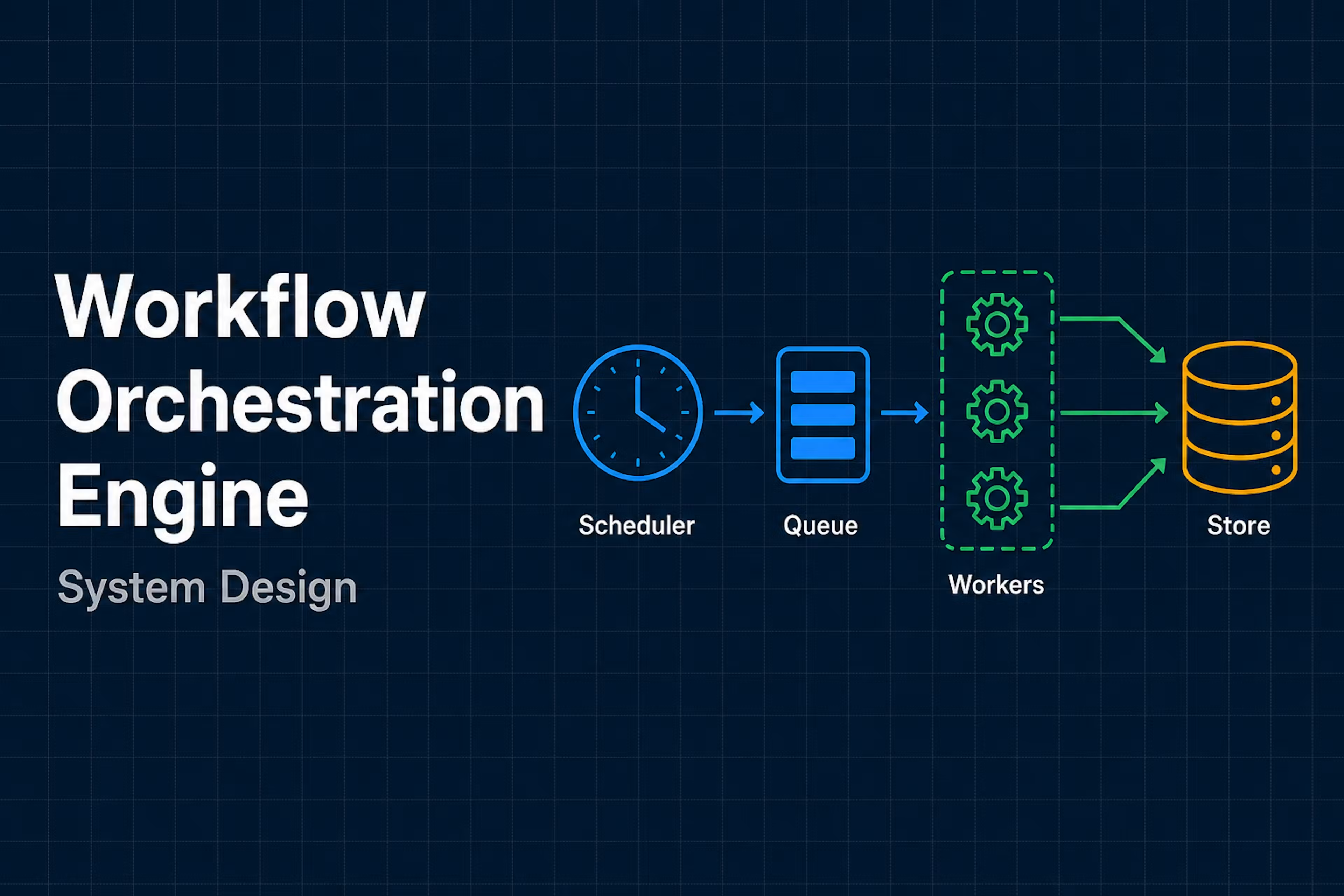
A typical automated workflow begins when a trigger occurs, such as a new customer enquiry, document upload or transaction. The robotic system identifies the incoming information and follows the appropriate process. Depending on the workflow, it may collect data, validate information, update records and communicate with another application before completing the assigned activity.
Artificial intelligence can make these workflows more adaptable. Natural language processing can help interpret emails, while machine learning can identify patterns within large datasets. APIs allow robotic systems to communicate with business applications and databases. Monitoring tools can track performance and flag unusual situations, while human approval can be introduced whenever a process requires professional judgement or involves sensitive information.
Technologies Behind Robotic Process Streamlining
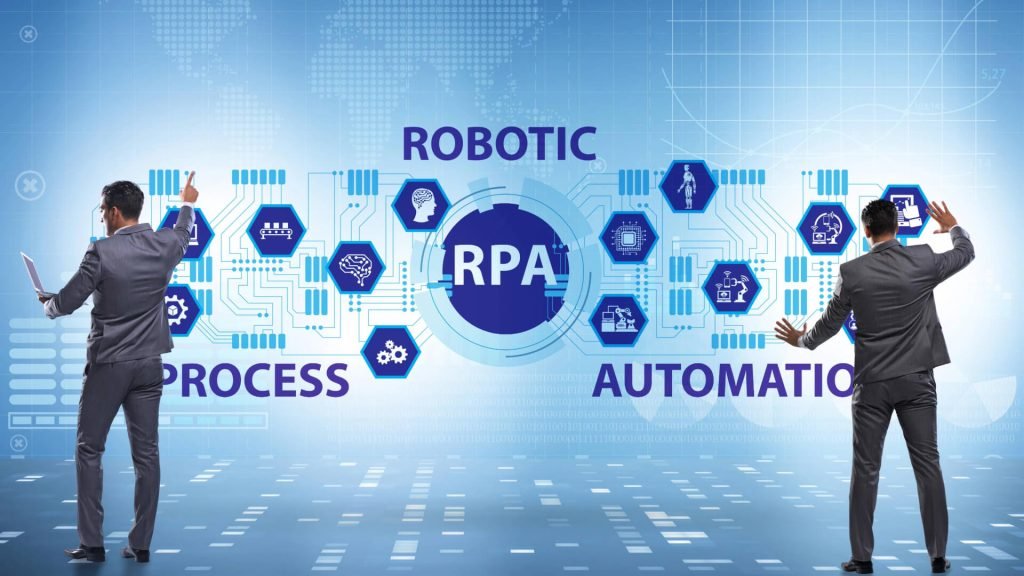
Robotic process automation remains a core technology for handling repetitive, structured activities. It allows software robots to interact with applications in ways that resemble human computer activity. However, modern systems increasingly combine RPA with artificial intelligence, allowing automated workflows to process information that may previously have required manual interpretation.
Other technologies contribute to intelligent automation as well. Optical character recognition can extract text from scanned documents, while natural language processing can analyse written communication. Machine learning can identify patterns and support predictions, and AI agents can coordinate multiple tasks towards a broader objective. Cloud platforms, APIs and business software integrations connect these technologies and enable automation across departments.
Benefits of Robotic Process Streamlining for Businesses
One of the clearest advantages of robotic process streamlining is the reduction of repetitive manual work. Employees can spend considerable time entering information, checking records, processing documents and completing routine administrative tasks. Automating these activities can free employees to focus on customer relationships, strategic decisions, creative work and responsibilities that require human judgement.
Businesses can also benefit from faster processing and greater consistency. Software robots can perform repetitive activities continuously without fatigue, helping organisations manage larger workloads more efficiently. Automation may also reduce certain types of human error, particularly in processes involving predictable data entry. When carefully designed, these improvements can support better customer experiences and more efficient resource allocation.
Robotic Process Streamlining Use Cases
Finance and accounting departments can use intelligent automation to process invoices, organise financial information and support routine reconciliation activities. Human resources teams can streamline employee onboarding, document management and administrative communication. In customer service, automated systems can categorise enquiries, retrieve information and route complicated cases to the appropriate employee.
E-commerce businesses can automate order updates, inventory-related workflows and common customer questions. Sales teams can use robotic systems to update customer relationship management records and organise lead information. IT departments can also apply automation to system monitoring, routine support activities and technical alerts. These examples demonstrate how robotic technology can support many different business functions.
Robotic Process Streamlining vs Traditional Automation
Traditional automation typically operates according to fixed rules. When a particular condition is met, the system performs a predefined action. This approach remains valuable for simple and predictable processes, such as transferring data between systems or sending standard notifications. It is often easy to understand, test and maintain when business requirements remain stable.
Robotic process streamlining can go further by combining automation with AI and process optimisation. An intelligent system may interpret information from an email, determine its purpose and select an appropriate workflow. This flexibility is particularly useful when businesses work with unstructured information. However, not every process needs AI. Simple tasks may still be better served by conventional rule-based automation.
Challenges and Limitations of Robotic Process Streamlining
Automation can introduce new challenges if it is implemented without proper planning. A robotic system may process incorrect information or follow an outdated rule if the underlying workflow has not been reviewed. AI-powered systems can also misunderstand context or generate inaccurate results. These risks become particularly important when automated workflows influence financial, customer or operational decisions.
Security and data privacy must also be considered. Businesses should carefully control the information that robotic systems can access and the actions they are permitted to perform. Integration with older software can create technical difficulties, while changes to applications may require automated workflows to be updated. Employee training is equally important because successful transformation depends on people understanding how to work alongside new technologies.
How to Implement Robotic Process Streamlining Successfully
The best starting point is usually a repetitive process with clear rules, measurable results and a meaningful administrative burden. Businesses should analyse the existing workflow before automating it. Removing unnecessary steps first can prevent organisations from simply making an inefficient process run faster. Clear objectives should then be established, such as reducing processing time, improving accuracy or lowering administrative workload.
Once a suitable process has been selected, the organisation can choose appropriate automation and AI technologies. Workflows should be tested carefully before wider deployment, with security permissions and human approval points established where necessary. Performance should be monitored after launch using relevant measurements. Continuous improvement allows businesses to identify unexpected issues and refine their automated processes over time.
Best Practices for Robotic Process Streamlining
Successful automation starts with well-designed processes. Organisations should document each workflow, define responsibilities and establish clear boundaries for automated systems. Data should be accurate and reliable, while access permissions should follow the principle of giving systems only the capabilities they actually need. Sensitive activities should include suitable approval or escalation procedures.
Regular monitoring is another essential practice. Businesses can measure processing time, completion rates, errors and the frequency of human intervention to evaluate performance. Employees should also be encouraged to provide feedback because they often identify practical workflow problems that technical measurements cannot reveal. Updating automated processes as business requirements change helps maintain long-term reliability.
The Future of Robotic Process Streamlining
The future of robotic process streamlining is increasingly connected to advanced AI. AI agents can potentially manage multiple steps within a workflow, interpret information and coordinate actions across several applications. Instead of automating one isolated activity, future systems may be able to manage complete business processes from an initial request through to final reporting.
Generative AI is also expanding the possibilities of intelligent automation. Systems can increasingly work with natural language, documents and other forms of unstructured information. As these capabilities grow, employees are likely to collaborate more closely with software robots. Businesses will need strong governance, security and human oversight to ensure that increasingly capable automation remains reliable, transparent and aligned with organisational goals.
Conclusion
Robotic process streamlining is transforming modern business operations by combining software robotics, artificial intelligence and workflow optimisation. It can reduce repetitive work, accelerate processes, improve consistency and help organisations manage growing workloads. More importantly, it can give employees additional time to concentrate on activities where human creativity, judgement and communication provide greater value.
Successful implementation requires more than simply installing automation software. Businesses should identify appropriate processes, simplify workflows, protect sensitive information and establish effective monitoring. With the right strategy, robotic automation can become a practical part of digital transformation. As AI continues to advance, intelligent robotic workflows are likely to play an increasingly important role in building efficient and adaptable businesses.
Frequently Asked Questions About Robotic Process Streamlining
What is robotic process streamlining?
Robotic process streamlining uses software robots, automation and AI technologies to simplify repetitive business activities. It can help organisations process information, move data between applications, complete routine tasks and reduce unnecessary manual effort while maintaining human involvement where appropriate.
How does robotic process streamlining work?
A robotic workflow receives a trigger or piece of information, processes it according to defined rules or AI-based instructions and performs the required actions. It can interact with business applications, databases and other systems. Human approval can be added when a decision requires additional judgement.
What is the difference between robotic process streamlining and RPA?
RPA primarily focuses on automating structured, repetitive computer-based tasks. Robotic process streamlining is a broader approach that can include RPA alongside AI, machine learning, process optimisation, document processing and intelligent decision-making. The objective is not just automation but improving the overall efficiency of a business process.
What are the main benefits of robotic process streamlining?
The main benefits include reduced manual workloads, faster processing, improved consistency and greater operational scalability. Businesses may also reduce certain errors and allow employees to focus on more valuable responsibilities. The results depend on selecting appropriate processes and implementing automation with suitable controls.
Which industries can use robotic process streamlining?
Almost any industry with repetitive digital processes can benefit. Finance, retail, e-commerce, human resources, customer service, logistics, healthcare, marketing and IT can all use robotic automation for suitable activities. The most effective applications are generally processes that are repetitive, measurable and clearly structured.
Can robotic process streamlining replace human employees?
Robotic systems can replace certain repetitive tasks, but they do not necessarily replace entire roles. Human judgement, creativity, empathy and strategic thinking remain important. In many organisations, automation is most valuable when it works alongside employees by handling routine activities while people manage complex decisions and relationships.
Is robotic process streamlining secure?
It can be secure when implemented with appropriate safeguards. Organisations should control system permissions, protect sensitive data, monitor automated actions and regularly review security practices. Human approval should be maintained for high-risk activities, while testing and auditing can help identify potential weaknesses.
How can a business start using robotic process streamlining?
A business should begin by identifying repetitive processes that consume significant time and have measurable outcomes. After reviewing and simplifying the workflow, it can select appropriate automation technology, test the process and establish security controls. Performance should then be monitored so the workflow can be improved continuously.