Introduction: Why Corporate Intelligence Strategies Matter
Corporate intelligence strategies are becoming increasingly important as businesses generate more information than ever before. Customer behaviour, market movements, financial performance and operational activity all create valuable data. However, raw information alone does not create competitive advantage. Organisations need effective methods to collect, analyse and interpret information so leaders can make confident decisions based on meaningful evidence.
Modern artificial intelligence is changing this process significantly. AI-powered analytics can identify patterns, summarise complex information and highlight emerging opportunities much faster than traditional approaches. When combined with experienced professionals and clear business objectives, corporate intelligence can help organisations respond to market changes, understand customers more effectively and build stronger long-term strategies.
Understanding Corporate Intelligence Strategies
Corporate intelligence strategies are structured approaches that help organisations turn business information into useful strategic insights. They bring together data collection, analytics, market research, competitive intelligence and reporting to support better decisions. Rather than simply producing reports, an effective intelligence programme focuses on answering important business questions and delivering insights that decision-makers can act upon.
Corporate intelligence can cover many areas, including customer behaviour, competitor activity, industry trends, financial performance and operational efficiency. Businesses can use these insights to identify opportunities, anticipate risks and understand changing market conditions. The goal is to create a connected intelligence environment where relevant information reaches the right people at the right time.
The Role of Data in Corporate Intelligence
Data provides the foundation for effective corporate intelligence. Businesses can gather information from sales platforms, customer relationship systems, financial records, websites, social channels, market research and internal operations. When these sources are organised properly, they can reveal patterns that may not be visible when information is examined separately.
Data quality is equally important. Inaccurate, outdated or duplicated information can produce misleading conclusions and weaken strategic decisions. Organisations therefore need strong data governance, consistent standards and secure storage practices. Breaking down data silos can also provide leaders with a more complete view of performance, customers and market conditions.
How AI Is Transforming Corporate Intelligence

Artificial intelligence is making corporate intelligence faster and more scalable. Machine learning systems can examine large datasets to identify patterns, while predictive analytics can estimate future trends based on historical information. These capabilities allow organisations to move beyond simply understanding what happened and begin exploring what could happen next.
Generative AI adds another dimension by helping teams summarise research, analyse documents and organise large volumes of information. AI-powered systems can highlight important developments and support analysts with routine research tasks. However, human expertise remains essential because business leaders need context, judgement and strategic understanding when interpreting AI-generated insights.
Key Benefits of Corporate Intelligence Strategies
One of the biggest benefits of strong intelligence is improved decision-making. Leaders can use relevant information to evaluate opportunities, understand risks and allocate resources more effectively. Instead of relying entirely on assumptions or outdated reports, organisations can develop decisions around current evidence and measurable business conditions.
Corporate intelligence can also strengthen competitive awareness. Businesses can monitor changes in customer expectations, industry trends and competitor activity to identify potential threats and opportunities. When insights are delivered quickly, organisations can respond sooner, adapt their strategies and potentially gain an advantage before market changes become obvious to everyone.
Building an Effective Corporate Intelligence Framework
Developing an effective intelligence framework begins with clear objectives. Organisations should identify the strategic questions they need to answer and determine which information can provide useful answers. This prevents teams from collecting excessive data without a clear purpose. Intelligence should always connect to measurable business priorities.
The next step is establishing reliable processes for collecting, analysing and distributing insights. Businesses can use dashboards, reporting platforms and AI-powered analytics to make information easier to understand. Cross-functional collaboration is also important because marketing, finance, operations and leadership teams may interpret the same information differently based on their responsibilities.
Competitive Intelligence and Market Analysis
Competitive intelligence helps organisations understand the external environment in which they operate. Businesses can monitor competitors, industry developments, customer preferences and market movements to identify potential opportunities or threats. This information can support decisions involving pricing, product development, positioning, marketing and expansion.
Effective competitive intelligence should focus on reliable and ethically obtained information. Businesses should avoid confusing speculation with evidence and should carefully assess the credibility of external sources. By combining market intelligence with internal performance data, organisations can develop a broader understanding of where they currently stand and where future opportunities may exist.
Using Corporate Intelligence for Better Business Decisions
Corporate intelligence strategies can support decisions across almost every department. Sales teams can analyse customer behaviour and forecasting data, while marketing departments can use intelligence to understand campaign performance and audience preferences. Finance teams can identify trends in revenue and costs, and operations teams can examine efficiency and resource utilisation.
Real-time intelligence can be particularly valuable when markets change quickly. Decision-makers can receive updated information about customer activity, sales performance or operational conditions and respond accordingly. Nevertheless, intelligence should support human judgement rather than replace it. The strongest decisions usually combine reliable evidence, AI-powered analysis and practical business experience.
Challenges in Implementing Corporate Intelligence Strategies
Building a strong intelligence system can be challenging. Organisations may have fragmented data, incompatible software platforms or limited analytical expertise. Information may also be stored across departments without consistent standards. These problems can make it difficult to create a reliable view of business performance and may reduce confidence in analytical results.
Security and privacy create additional considerations. Businesses must protect sensitive corporate and customer information while controlling who can access intelligence systems. AI can also introduce risks such as inaccurate recommendations, hidden bias and over-reliance on automated outputs. Strong governance, employee training and regular system reviews can help organisations manage these challenges effectively.
Corporate Intelligence, AI Governance and Data Security
Responsible governance is essential when organisations use AI to generate strategic insights. Companies should establish policies covering data access, privacy, security, model performance and human oversight. Critical recommendations should be reviewed by qualified professionals rather than accepted automatically, particularly when decisions could significantly affect customers, employees or financial outcomes.
Data security should also be considered throughout the intelligence lifecycle. Organisations need appropriate access controls, secure infrastructure and monitoring processes to reduce potential vulnerabilities. Clear governance can improve trust among employees, customers and stakeholders while helping businesses use advanced analytics responsibly. As AI capabilities grow, governance will become an increasingly important part of strategic intelligence.
Best Practices for Corporate Intelligence Strategies
Successful corporate intelligence strategies should focus on actionable information rather than simply producing more data. Organisations should identify high-value business questions, use trustworthy sources and present findings in clear formats. Dashboards and visual reporting can help executives understand complex information without spending excessive time interpreting technical details.
Businesses should also combine AI capabilities with human expertise. Automated systems can process information quickly, but experienced professionals can provide context and challenge questionable conclusions. Regularly reviewing intelligence processes can help organisations adapt to changing business priorities, emerging technologies and new market conditions. A flexible approach makes intelligence more useful over the long term.
Measuring the Success of Corporate Intelligence
The effectiveness of intelligence programmes should be measured using practical business outcomes. Organisations can examine decision-making speed, forecasting accuracy, operational efficiency, customer retention, revenue growth and cost savings. These indicators help demonstrate whether intelligence is producing meaningful value rather than simply increasing the amount of information available to employees.
User adoption is another useful measure. If executives and employees rarely use intelligence platforms, the organisation may need to improve accessibility, training or the quality of insights. Businesses should also evaluate return on investment and compare intelligence costs with measurable benefits. Continuous measurement allows companies to refine their approach and focus resources on the most valuable initiatives.
The Future of Corporate Intelligence Strategies
The future of corporate intelligence is likely to become increasingly connected with artificial intelligence, real-time analytics and automated insight generation. Businesses may rely more heavily on systems that continuously monitor market developments, customer behaviour and internal performance. Instead of waiting for periodic reports, leaders could receive relevant insights as significant changes occur.
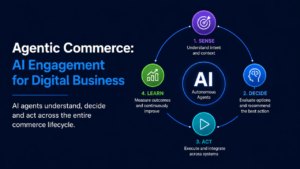
AI agents may also become more involved in research and strategic analysis. These systems could collect information, compare trends and prepare recommendations for human review. However, greater automation will increase the importance of governance, data quality and human oversight. Organisations that combine technological innovation with responsible decision-making will be better positioned to benefit from the next generation of intelligence tools.
Conclusion: Turning Data and AI Into Strategic Intelligence
Corporate intelligence strategies provide businesses with a structured way to transform information into strategic value. By combining reliable data, advanced analytics, artificial intelligence and human expertise, organisations can improve decision-making and respond more effectively to changing markets. The strongest intelligence programmes focus on actionable insights rather than simply accumulating large volumes of information.
As technology continues to evolve, intelligence will become an increasingly important business capability. Organisations that invest in data quality, AI skills, governance and continuous improvement can build more agile and informed operations. Ultimately, effective corporate intelligence can help businesses recognise opportunities earlier, manage risks more effectively and make smarter decisions in competitive markets.
FAQs About Corporate Intelligence Strategies
What are corporate intelligence strategies?
Corporate intelligence strategies are structured approaches for collecting, analysing and using business information to support strategic decision-making. They can combine business intelligence, competitive intelligence, market research, data analytics and artificial intelligence.
Why are corporate intelligence strategies important?
They help organisations make evidence-based decisions, understand competitors, identify market opportunities, manage risks and improve operational performance. They can also provide leaders with a clearer view of changing business conditions.
How does AI improve corporate intelligence?
AI can process large amounts of information quickly, identify patterns, support predictive analysis and summarise complex research. It can help analysts work more efficiently while giving decision-makers faster access to relevant insights.
What types of data are used in corporate intelligence?
Businesses may use customer, sales, financial, operational, market, competitor and industry data. Combining different data sources can provide a more comprehensive view of business performance and external market conditions.
What is the difference between business intelligence and corporate intelligence?
Business intelligence often focuses on analysing internal business performance, while corporate intelligence can have a broader strategic scope. It may include internal data alongside competitor, market and industry information to support wider corporate decisions.
How can businesses build an effective intelligence strategy?
Businesses should begin by defining strategic objectives and identifying important questions that intelligence needs to answer. They can then establish reliable data sources, appropriate analytical tools, governance processes and clear methods for distributing actionable insights.
What are the biggest challenges of corporate intelligence?
Common challenges include poor data quality, fragmented systems, cybersecurity risks, limited analytical skills, information overload and difficulties integrating AI into existing processes. Strong governance and employee training can help address these issues.
How can companies use competitive intelligence?
Companies can analyse market trends, competitor activity, customer expectations and industry developments to identify opportunities and threats. Competitive intelligence should rely on reliable and ethically obtained information.
How can businesses measure corporate intelligence success?
Success can be measured through decision-making speed, forecasting accuracy, operational efficiency, revenue growth, cost savings, customer retention and platform adoption. Organisations can also assess return on investment to determine overall value.
What is the future of corporate intelligence?
Future intelligence systems are likely to include more AI-powered analytics, real-time insights, predictive modelling and AI agents. These technologies may automate more research and analysis while human oversight remains essential for strategic decisions.