Introduction
Futuristic concepts are no longer limited to science fiction novels or blockbuster films. They have become an essential part of modern society, influencing how people communicate, work, travel, learn, and solve complex global challenges. From artificial intelligence to smart cities, these forward-thinking ideas are reshaping industries and creating exciting opportunities for innovation. Understanding futuristic concepts helps individuals and businesses prepare for a rapidly evolving digital landscape.
As technology advances at an unprecedented pace, futuristic concepts continue to inspire researchers, entrepreneurs, and governments to invest in solutions that improve everyday life. These developments are creating smarter systems, sustainable infrastructure, and more efficient services across countless sectors. Exploring futuristic concepts provides valuable insights into the technologies that are likely to define the coming decades and transform the world for future generations.
Understanding Futuristic Concepts
Futuristic concepts refer to innovative ideas, technologies, and strategies designed to shape the future through scientific progress and creative thinking. They often combine emerging technologies with practical solutions to improve efficiency, sustainability, and quality of life. While some concepts remain experimental, many are already influencing industries and changing how people interact with technology every day.
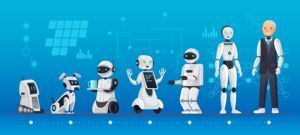
The evolution of futuristic concepts demonstrates how imagination often becomes reality through research and development. Ideas that once seemed impossible, including autonomous vehicles, intelligent virtual assistants, and wearable health devices, have become part of everyday life. This continuous transformation highlights the importance of innovation in solving modern challenges while opening new possibilities for businesses, education, healthcare, and society as a whole.
Emerging Technologies Driving the Future
Artificial intelligence, machine learning, robotics, quantum computing, blockchain, and the Internet of Things are among the most influential technologies supporting futuristic concepts. These innovations enable computers to analyse vast amounts of information, automate repetitive tasks, and provide intelligent solutions across multiple industries. Businesses are increasingly adopting these technologies to improve productivity, reduce costs, and deliver better customer experiences.
Another significant contributor to futuristic concepts is immersive technology, including virtual reality and augmented reality. These digital experiences are transforming education, healthcare, entertainment, and professional training by creating realistic simulations and interactive environments. Combined with faster internet connectivity and cloud computing, these technologies are accelerating digital transformation while encouraging further innovation in both public and private sectors.
Futuristic Concepts Transforming Everyday Life

Modern households increasingly benefit from futuristic concepts through smart home technology, connected appliances, intelligent security systems, and voice-controlled assistants. These innovations improve convenience, increase energy efficiency, and simplify daily routines. People can now control lighting, heating, and household devices remotely, making homes safer, more comfortable, and better suited to modern lifestyles.
Transportation is also experiencing remarkable change as futuristic concepts encourage the development of electric vehicles, autonomous driving systems, and intelligent traffic management. Healthcare benefits from wearable devices that monitor health conditions in real time, while digital education platforms offer personalised learning experiences. These improvements demonstrate how technology continues to enhance everyday life while creating greater accessibility and convenience.
The Impact Across Industries
Healthcare is one of the sectors experiencing the greatest benefits from futuristic concepts. Artificial intelligence assists doctors in diagnosing diseases more accurately, while robotic surgery improves precision during complex medical procedures. Personalised medicine, digital health records, and remote consultations continue to improve patient care, making healthcare services more efficient and accessible to people across different regions.
Manufacturing, finance, retail, agriculture, and energy are also embracing futuristic concepts to remain competitive in a digital economy. Automated production lines, smart financial systems, precision farming, renewable energy technologies, and personalised shopping experiences are helping organisations improve performance while reducing environmental impact. These innovations support sustainable economic growth and encourage continuous technological advancement across multiple industries.
Challenges and Ethical Considerations
Although futuristic concepts offer remarkable opportunities, they also introduce important challenges that require careful management. Cybersecurity threats, data privacy concerns, and ethical questions surrounding artificial intelligence continue to attract global attention. Organisations must ensure that technological innovation is supported by strong regulations, responsible governance, and transparent decision-making to protect both businesses and consumers.
Workforce transformation is another important consideration as automation changes traditional employment patterns. While some jobs become automated, new career opportunities emerge in technology, engineering, cybersecurity, and digital innovation. Investing in education, professional training, and lifelong learning enables individuals to develop future-ready skills while ensuring society benefits from technological progress without increasing inequality.
Preparing for a Future Built on Futuristic Concepts
Preparing for a technology-driven future requires individuals, businesses, and governments to embrace continuous learning and innovation. Developing digital skills, encouraging creative problem-solving, and supporting scientific research will help communities adapt successfully to changing economic and technological conditions. Organisations that invest in innovation today are more likely to remain competitive as markets continue to evolve.
Businesses should also build flexible strategies that encourage experimentation and digital transformation. Investing in sustainable technologies, improving cybersecurity, and adopting intelligent systems can strengthen long-term resilience. At the same time, educational institutions should prepare students with practical technical knowledge and critical thinking skills that support future careers influenced by futuristic concepts.
Future Trends to Watch
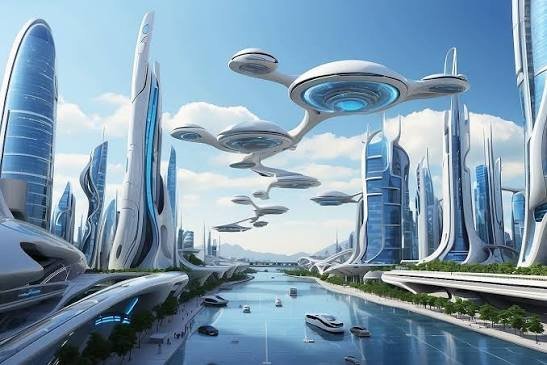
The coming decade is expected to introduce even more advanced futuristic concepts that redefine modern society. Human and artificial intelligence collaboration, smart cities powered by connected infrastructure, commercial space exploration, advanced biotechnology, and environmentally friendly technologies are likely to become increasingly significant. These developments have the potential to improve healthcare, transportation, communication, and environmental sustainability on a global scale.
Green innovation will continue to receive greater attention as governments and businesses seek practical solutions for climate change. Renewable energy systems, intelligent energy management, carbon reduction technologies, and sustainable manufacturing processes will become increasingly important. These forward-looking developments demonstrate how futuristic concepts can support both technological progress and environmental responsibility simultaneously.
Conclusion
Futuristic concepts continue to transform the world by introducing innovative technologies that improve efficiency, sustainability, and everyday life. From intelligent automation and smart infrastructure to advanced healthcare and digital education, these developments are creating exciting opportunities for individuals, businesses, and governments alike. Remaining informed about technological progress allows society to embrace innovation while preparing for future challenges responsibly.
As new discoveries continue to emerge, futuristic concepts will remain central to economic growth, scientific advancement, and global development. Organisations that invest in innovation, encourage digital skills, and adopt responsible technology will be well positioned for long-term success. Embracing these transformative ideas today will help shape a smarter, safer, and more sustainable future for generations to come.
Frequently Asked Questions
What are futuristic concepts?
Futuristic concepts are innovative ideas and technologies designed to improve the future through scientific research, digital transformation, and creative problem-solving.
Why are futuristic concepts important?
They encourage innovation, improve productivity, support sustainable development, and help industries solve complex challenges using advanced technology.
Which industries benefit the most from futuristic concepts?
Healthcare, manufacturing, finance, education, agriculture, transportation, retail, and energy all benefit significantly from technological innovation.
How does artificial intelligence support futuristic concepts?
Artificial intelligence analyses data, automates processes, improves decision-making, and enables intelligent systems that enhance efficiency across many industries.
What challenges are associated with futuristic concepts?
Common challenges include cybersecurity risks, data privacy concerns, ethical issues surrounding artificial intelligence, workforce transformation, and regulatory requirements.
How can businesses prepare for future technologies?
Businesses should invest in innovation, employee training, cybersecurity, sustainable solutions, and flexible digital strategies to remain competitive.
What skills are important for the future workforce?
Digital literacy, analytical thinking, creativity, adaptability, problem-solving, communication, and technical knowledge are essential future-ready skills.
What are the most promising futuristic concepts for the coming decade?
Artificial intelligence, quantum computing, smart cities, renewable energy, biotechnology, autonomous transportation, and advanced robotics are among the most promising future technologies.