Introduction
Modern workflow transformations are changing how organisations operate in an increasingly digital world. Businesses of every size are replacing outdated manual processes with intelligent systems that improve efficiency, reduce costs, and enhance collaboration. As technology continues to evolve, companies are embracing innovative solutions to remain competitive in fast-changing markets.
Artificial intelligence, automation, cloud computing, and data-driven decision-making have become essential elements of successful business operations. This article explores how modern workflow transformations are reshaping workplaces, the technologies behind them, the benefits they deliver, the challenges organisations face, and the future trends that will influence business success.
Understanding Modern Workflow Transformations
Modern workflow transformations refer to the process of redesigning business operations using digital technologies to improve productivity, communication, and operational efficiency. Instead of relying on repetitive manual tasks, organisations create streamlined workflows that enable employees to focus on strategic and creative responsibilities.
Traditional workflows often involve paperwork, lengthy approval processes, and disconnected systems. In contrast, modern workflow transformations connect departments through digital platforms, automate repetitive tasks, and provide real-time access to information. This shift allows businesses to respond quickly to customer demands while improving overall performance.
The Technologies Powering Modern Workflow Transformations
Artificial intelligence has become one of the most influential technologies driving business innovation. AI systems analyse data, predict trends, automate customer support, and assist decision-making with remarkable accuracy. Machine learning continues to improve these capabilities by learning from historical information and identifying valuable business insights.
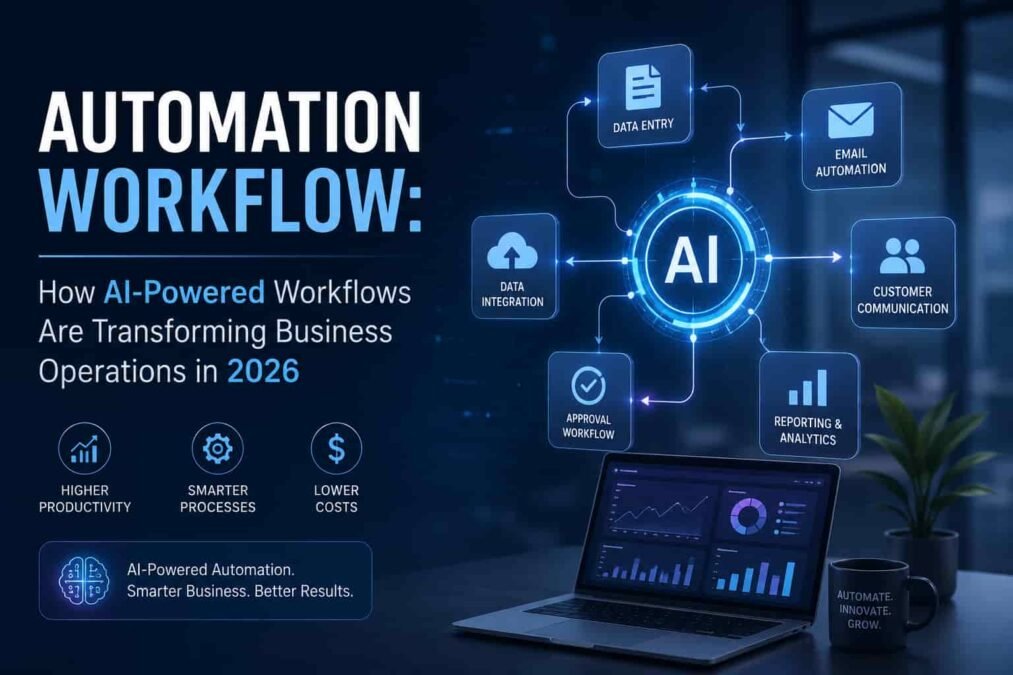
Automation technologies such as Robotic Process Automation, cloud computing, low-code development platforms, and business intelligence software are also transforming daily operations. These technologies reduce manual workloads, improve collaboration across remote teams, and provide organisations with scalable solutions that support long-term growth and operational excellence.
Key Benefits of Modern Workflow Transformations

One of the greatest advantages of modern workflow transformations is increased productivity. Automated systems complete repetitive tasks faster than manual processes while reducing human error. Employees spend less time on administrative duties and more time solving problems, developing strategies, and delivering better customer experiences.
Businesses also benefit from improved collaboration, faster decision-making, and lower operating costs. Cloud-based platforms enable teams to work together regardless of location, while real-time analytics help managers make informed decisions quickly. These improvements create a more agile organisation capable of adapting to changing market conditions.
Challenges Businesses Face During Workflow Transformation
Although digital transformation offers significant advantages, businesses often encounter several challenges during implementation. Employee resistance to change, outdated legacy systems, limited technical expertise, and cybersecurity concerns can slow progress and increase project complexity if not managed effectively.
Successful organisations overcome these obstacles by investing in employee training, selecting scalable technologies, and developing clear implementation strategies. Regular communication, leadership support, and continuous monitoring help ensure that modern workflow transformations deliver measurable business value without disrupting daily operations.
Best Practices for Successful Modern Workflow Transformations
Every successful transformation begins with a thorough assessment of existing business processes. Organisations should identify inefficiencies, define measurable objectives, and prioritise workflows that will produce the greatest return on investment. Careful planning reduces unnecessary costs and creates a clear roadmap for implementation.
Employee involvement is equally important throughout the transformation journey. Businesses should provide regular training, encourage collaboration, monitor key performance indicators, and continuously refine workflows using performance data. This approach creates a culture of innovation where technology supports both business goals and employee success.
Industry Examples of Modern Workflow Transformations
Healthcare providers use intelligent workflow systems to manage patient records, schedule appointments, and improve treatment coordination. Financial institutions automate loan processing, fraud detection, and compliance reporting, reducing delays while improving customer satisfaction and regulatory accuracy.
Retail businesses optimise inventory management, personalise customer experiences, and automate order fulfilment using digital technologies. Manufacturing companies benefit from predictive maintenance, smart factories, and connected production systems, while educational institutions increasingly rely on digital learning platforms and automated administrative processes.
Future Business Trends Shaping Workflow Transformation
Artificial intelligence will continue expanding its influence across business operations. Predictive analytics, intelligent document processing, conversational AI, and advanced automation will help organisations make faster decisions while improving customer experiences. Businesses that invest in innovation today will be better prepared for tomorrow’s competitive landscape.
Human-AI collaboration will become increasingly common as employees work alongside intelligent systems rather than being replaced by them. Sustainable business practices, digital twins, and hyperautomation will further strengthen modern workflow transformations by creating more efficient, environmentally responsible, and adaptable organisations.
How Small and Medium-Sized Businesses Can Get Started
Small businesses do not need massive budgets to begin their digital transformation journey. They can start by automating repetitive administrative tasks, adopting cloud-based collaboration software, and selecting affordable workflow management platforms that align with their operational needs and future growth plans.
A gradual implementation strategy often delivers the best results. Businesses should evaluate performance regularly, gather employee feedback, and expand automation only after achieving measurable improvements. This phased approach reduces risk while ensuring each investment contributes to long-term business success.
Conclusion
Modern workflow transformations have become an essential strategy for organisations seeking greater efficiency, stronger collaboration, and sustainable growth. By combining artificial intelligence, automation, cloud technologies, and data-driven decision-making, businesses can create smarter workflows that improve productivity while delivering exceptional customer experiences.
As technology continues to evolve, organisations that embrace innovation and continuous improvement will remain competitive in an increasingly digital economy. Investing in modern workflow transformations today prepares businesses for future challenges while creating a strong foundation for long-term success.
FAQs
What are modern workflow transformations?
Modern workflow transformations involve redesigning business processes using digital technologies, automation, and artificial intelligence to improve efficiency, productivity, and collaboration.
Why are modern workflow transformations important?
They help businesses reduce operational costs, improve decision-making, increase employee productivity, and deliver better customer experiences in competitive markets.
How does AI improve business workflows?
Artificial intelligence automates repetitive tasks, analyses business data, predicts trends, supports decision-making, and enhances customer service through intelligent automation.
What is the difference between workflow automation and digital transformation?
Workflow automation focuses on automating specific tasks, while digital transformation is a broader strategy that changes how an entire organisation operates using technology.
Which industries benefit the most from workflow transformation?
Healthcare, finance, retail, manufacturing, logistics, education, and professional services all benefit significantly from adopting modern digital workflows.
What challenges can businesses face during workflow transformation?
Common challenges include employee resistance, integration with legacy systems, cybersecurity concerns, implementation costs, and the need for ongoing staff training.
How can small businesses start modern workflow transformations?
Small businesses should begin by identifying repetitive tasks, adopting cloud-based software, investing in affordable automation tools, and implementing changes gradually to minimise risk.