
Introduction to Startup Funding Rounds
Startup funding rounds play a vital role in helping new businesses transform innovative ideas into successful companies. Entrepreneurs rely on external investment to build products, hire talented teams, expand operations, and compete in fast-moving industries. Understanding startup funding rounds is essential for founders who want to secure capital and achieve sustainable growth.
The startup ecosystem has evolved significantly over the past decade, with investors seeking businesses that demonstrate strong growth potential and scalable business models. As competition for investment increases, founders must understand how startup funding rounds work and prepare effectively to attract venture capital and angel investors.
Understanding the Different Startup Funding Rounds
Every business follows a different funding journey depending on its growth stage and financial needs. Pre-seed funding usually helps entrepreneurs validate an idea, while seed funding supports product development, market research, and customer acquisition before significant expansion begins.
As businesses grow, Series A, Series B, and later-stage investments provide larger amounts of capital for scaling operations, entering new markets, and improving technology. Each stage comes with higher investor expectations, making careful planning and measurable business progress increasingly important throughout startup funding rounds.
How Startup Funding Rounds Work
The fundraising process usually begins when founders prepare an investor pitch explaining their business model, market opportunity, financial projections, and long-term vision. Investors then evaluate the company through meetings, financial analysis, and due diligence before deciding whether to invest in the business.
Company valuation plays a significant role in determining how much equity founders exchange for investment. Legal agreements, shareholder rights, and ownership structures must be carefully negotiated to protect both founders and investors while ensuring the business has sufficient resources for future growth.
Venture Capital Deals and Investment Trends
Venture capital continues to support businesses developing innovative products across technology, healthcare, fintech, artificial intelligence, and sustainability sectors. Investors increasingly focus on companies with scalable solutions, recurring revenue models, and experienced leadership teams capable of executing ambitious growth strategies.
Current investment trends also show increasing interest in climate technology, cybersecurity, digital healthcare, and AI-driven software platforms. These sectors continue attracting significant venture capital deals because they address growing global challenges while offering strong opportunities for long-term financial returns.
What Investors Look for Before Investing
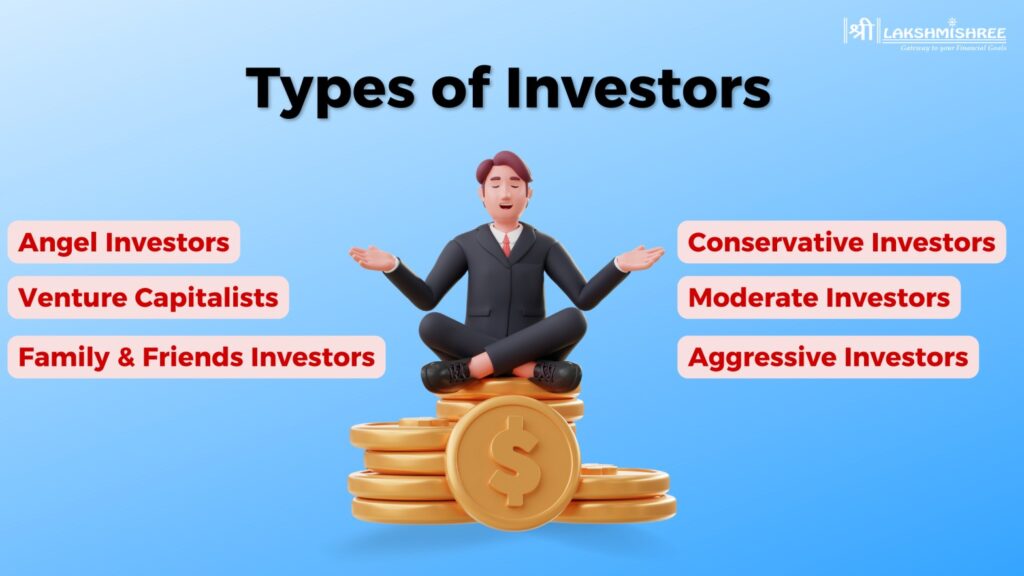
Investors carefully evaluate leadership quality before making funding decisions. A committed founding team with industry knowledge, clear vision, and excellent execution skills often increases investor confidence. Strong communication and adaptability also demonstrate that founders can overcome future business challenges.
Financial performance remains equally important throughout startup funding rounds. Investors assess revenue growth, customer retention, profitability potential, competitive advantages, and market size before committing capital. Businesses with consistent traction and realistic financial forecasts generally have a stronger chance of securing investment.
Challenges Startups Face During Funding Rounds
Many startups struggle to attract investors because competition for capital remains extremely high. Founders often experience valuation disagreements, lengthy negotiations, and demanding due diligence processes that require detailed financial records and operational transparency before funding agreements can be completed.
Economic uncertainty may also affect investor confidence, reducing available capital and increasing investment standards. Startups must remain flexible, improve operational efficiency, and demonstrate sustainable growth to successfully navigate challenging market conditions while continuing their fundraising efforts.
Best Practices for Raising Startup Funding Successfully
Preparation significantly improves fundraising success. Founders should develop a compelling investor presentation, maintain accurate financial statements, and clearly explain how investment will accelerate business growth. Building relationships with investors before requesting funding often creates stronger long-term opportunities.
Transparency throughout negotiations builds trust between founders and investors. Businesses that provide realistic growth expectations, measurable milestones, and clear communication are more likely to secure favourable investment terms while maintaining positive relationships throughout future funding rounds.
Future Outlook for Startup Funding Rounds
The future of startup funding rounds is expected to become increasingly technology-driven as investors use advanced analytics, artificial intelligence, and market intelligence tools to identify promising companies. Alternative funding methods such as crowdfunding and revenue-based financing will continue expanding alongside traditional venture capital.
Global entrepreneurship continues growing rapidly, creating fresh opportunities for innovative businesses seeking investment. Founders who remain informed about market developments, investor preferences, and emerging industries will be better positioned to secure funding and achieve long-term business success.
Conclusion
Startup funding rounds remain one of the most important milestones in a company’s growth journey. Every funding stage provides opportunities to expand operations, improve products, and reach larger markets while building valuable relationships with investors and strategic partners.
Understanding fundraising strategies, investor expectations, and current market developments allows entrepreneurs to make informed decisions with greater confidence. By preparing thoroughly and focusing on sustainable growth, founders can improve their chances of securing investment and building successful businesses in an increasingly competitive marketplace.
Frequently Asked Questions
What are startup funding rounds?
Startup funding rounds are stages where businesses raise investment from angel investors, venture capital firms, or institutional investors to support growth, product development, and expansion.
What is the difference between pre-seed and seed funding?
Pre-seed funding helps validate an idea, while seed funding supports product development, customer acquisition, and early business growth after initial validation.
How is a startup valuation determined?
Valuation depends on several factors, including market opportunity, revenue potential, competitive advantage, customer growth, team experience, and investment demand.
Why do startups give away equity?
Equity is exchanged for investment capital, allowing startups to fund growth while providing investors with partial ownership and potential future returns.
Which industries receive the most venture capital funding?
Artificial intelligence, fintech, healthcare, cybersecurity, SaaS, climate technology, and biotechnology continue attracting significant venture capital investment worldwide.
How long does a funding round usually take?
A typical funding round may take several weeks to several months, depending on investor interest, due diligence, negotiations, and legal documentation.
Can startups raise funding without venture capital?
Yes. Businesses can secure funding through angel investors, crowdfunding, grants, bank loans, bootstrapping, or revenue-based financing depending on their growth strategy.