
Introduction
Scientific tech advances continue to redefine the way people live, work, and interact with the world. From artificial intelligence and robotics to medical discoveries and sustainable energy solutions, modern innovations are solving complex challenges while creating exciting opportunities. Every breakthrough contributes to a smarter, healthier, and more connected future.
The pace of innovation has accelerated dramatically over the past decade, making scientific tech advances an essential topic for businesses, researchers, students, and everyday consumers. This article explores the latest developments, their practical applications, and the exciting possibilities that lie ahead for science and technology.
Scientific Tech Advances Are Reshaping the Modern World
Scientific tech advances have become the driving force behind economic growth and global development. Researchers and engineers collaborate to develop technologies that improve transportation, healthcare, communication, agriculture, and manufacturing. These innovations help societies become more efficient while addressing environmental and social challenges.
The influence of scientific tech advances extends far beyond laboratories. Businesses rely on advanced technology to improve productivity, governments use innovation to strengthen public services, and consumers benefit from smarter products that make everyday life easier. As technology evolves, its impact continues to expand across every sector.
Artificial Intelligence Leading Scientific Tech Advances
Artificial intelligence has emerged as one of the most influential scientific tech advances in recent years. AI systems analyse massive amounts of data, recognise patterns, and make predictions faster than traditional methods. This capability supports industries ranging from healthcare and finance to education and manufacturing.
Machine learning and intelligent automation are transforming how organisations operate. AI-powered assistants, predictive analytics, and autonomous systems improve efficiency while reducing costs. As researchers continue to refine artificial intelligence, its role within scientific tech advances will become even more significant across global industries.
Medical and Healthcare Breakthroughs Transforming Lives
Healthcare continues to benefit enormously from scientific tech advances. Precision medicine allows doctors to develop personalised treatments based on individual genetic information, improving patient outcomes while reducing unnecessary procedures. Advanced imaging technologies also enable earlier disease detection and more accurate diagnoses.
Medical robotics, wearable health devices, and biotechnology have revolutionised patient care. Smart watches monitor vital signs in real time, robotic-assisted surgery improves precision, and innovative vaccines protect millions worldwide. These developments demonstrate how scientific tech advances directly improve health and quality of life.
Space Exploration and Scientific Discoveries
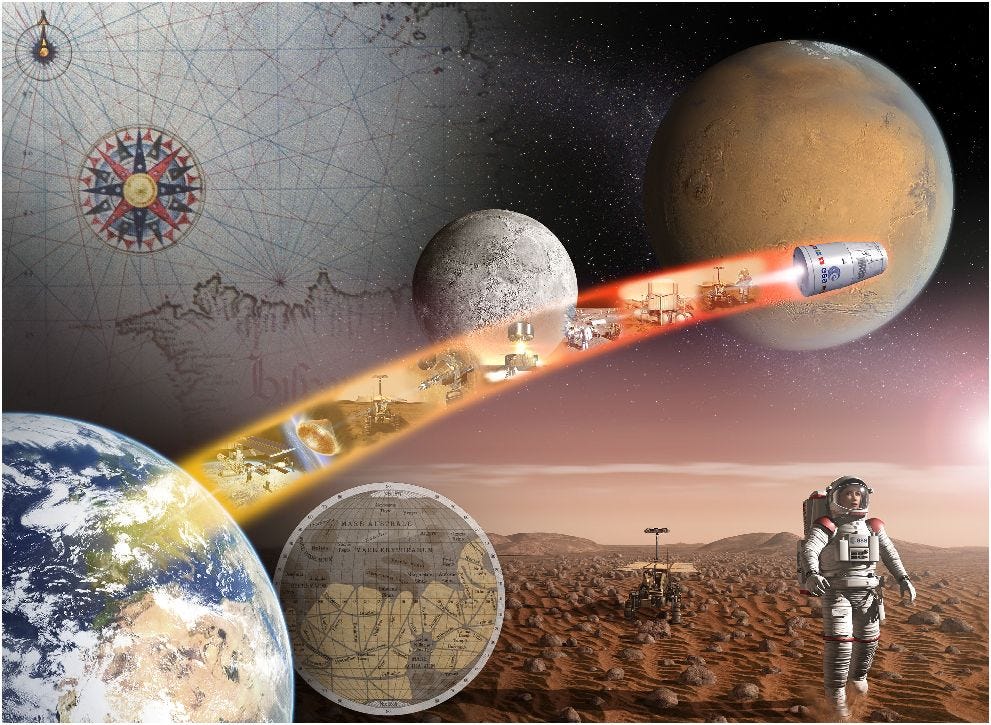
Space exploration remains one of the most exciting examples of scientific tech advances. Modern satellites provide accurate weather forecasting, GPS navigation, disaster monitoring, and global communications. Scientific missions continue to uncover valuable information about planets, galaxies, and the origins of the universe.
Private space companies and international partnerships are accelerating discoveries beyond Earth. Reusable rockets, lunar exploration programmes, and future missions to Mars highlight humanity’s growing ambition. These scientific tech advances expand knowledge while creating technologies that often benefit life on our own planet.
Sustainable Technology and Green Innovation
Environmental sustainability has become a major focus for scientific tech advances. Renewable energy sources such as solar, wind, and hydrogen reduce dependence on fossil fuels while helping countries achieve climate goals. Continuous improvements in battery storage also make clean energy more reliable and affordable.
Scientists are developing environmentally friendly materials, energy-efficient buildings, and smart grids that optimise electricity consumption. These innovations reduce carbon emissions while supporting sustainable economic growth. Scientific tech advances play an essential role in protecting natural resources for future generations.
Robotics, Automation, and Smart Manufacturing
Robotics has transformed manufacturing by improving speed, accuracy, and workplace safety. Modern robots perform repetitive tasks with remarkable precision, allowing employees to focus on more creative and technical responsibilities. Automation also reduces production costs while increasing product quality across industries.
Collaborative robots, often called cobots, work safely alongside human employees in factories and warehouses. Combined with artificial intelligence and advanced sensors, these systems represent important scientific tech advances that continue to reshape industrial production and supply chain management around the world.
Emerging Technologies Shaping the Next Decade
Several emerging technologies are expected to define the future of scientific tech advances. Quantum computing promises extraordinary processing power capable of solving problems beyond the reach of today’s computers. Nanotechnology continues to produce stronger materials and more effective medical treatments.
Advanced communication networks, smart cities, and the Internet of Things are creating highly connected environments where devices exchange information instantly. As these technologies mature, scientific tech advances will support greater efficiency, improved public services, and enhanced digital experiences for individuals and businesses alike.
Challenges and Ethical Considerations
Despite remarkable progress, scientific tech advances also present important challenges. Privacy concerns, cybersecurity risks, and responsible data management require careful planning. Organisations must ensure technological innovation protects individuals while maintaining transparency and public trust.
Ethical questions surrounding artificial intelligence, automation, and biotechnology require thoughtful regulation. Governments, businesses, and researchers should work together to establish standards that encourage innovation without compromising safety, fairness, or human rights. Responsible development remains essential for long-term success.
The Future of Scientific Tech Advances
The future of scientific tech advances appears incredibly promising as research continues across multiple disciplines. Future innovations may deliver cleaner energy, smarter healthcare systems, faster transportation, and even more advanced artificial intelligence capable of solving global challenges.
Education and continuous learning will become increasingly important as technology evolves. Individuals who embrace digital skills, scientific knowledge, and adaptability will be better prepared for future careers. Scientific tech advances will continue shaping society while opening new opportunities for innovation and economic growth.
Conclusion
Scientific tech advances are transforming every aspect of modern life, from healthcare and manufacturing to environmental sustainability and space exploration. Continuous innovation improves productivity, supports economic growth, and helps solve many of humanity’s greatest challenges through research and technological development.
As scientific discoveries continue to emerge, society must balance innovation with ethical responsibility. By embracing scientific tech advances responsibly, individuals, businesses, and governments can build a future that is smarter, safer, healthier, and more sustainable for generations to come.
Frequently Asked Questions
What are scientific tech advances?
Scientific tech advances refer to new discoveries, inventions, and technological improvements developed through scientific research that improve industries, healthcare, communication, transportation, and everyday life.
Why are scientific tech advances important?
They improve quality of life, drive economic growth, encourage innovation, solve global challenges, and create opportunities across many industries.
How does artificial intelligence contribute to scientific progress?
Artificial intelligence analyses data quickly, supports research, automates complex tasks, improves decision-making, and accelerates scientific discoveries.
Which industries benefit most from scientific tech advances?
Healthcare, manufacturing, agriculture, education, finance, transportation, renewable energy, and space exploration all benefit significantly from technological innovation.
What challenges do scientific tech advances create?
Key challenges include cybersecurity threats, privacy concerns, ethical issues surrounding AI, automation, and ensuring technology is developed responsibly.
What does the future hold for scientific tech advances?
Future developments are expected to include more powerful AI, quantum computing, sustainable energy solutions, advanced robotics, personalised healthcare, and deeper space exploration.