In a busy digital world, completing more work in less time has become an important goal for individuals and businesses. From managing schedules to organising documents, many everyday activities can consume valuable hours. Efficiency utilities provide practical digital solutions that simplify these responsibilities, reduce repetitive work and help users create smoother workflows without unnecessary complications.
The right productivity tools can make ordinary tasks feel remarkably easier. Students can organise assignments, professionals can manage deadlines, freelancers can streamline client work and businesses can automate repetitive processes. Rather than trying to handle everything manually, users can choose digital utilities that address specific challenges and create a more organised approach to everyday work.
What Are Efficiency Utilities?
Efficiency utilities are digital tools designed to make specific tasks faster, simpler or more organised. They can include calculators, converters, task planners, file management tools, automation platforms and browser utilities. Instead of replacing every application in a user’s workflow, these tools focus on solving particular problems and reducing the amount of effort required to complete routine activities.
Many online utilities work directly through a web browser, meaning users may not need to install complicated software. Others are integrated into larger productivity platforms and provide advanced features for managing information, projects or workflows. Their main purpose is straightforward: remove unnecessary steps so users can spend more time on meaningful work and less time dealing with repetitive processes.
How Efficiency Utilities Improve Productivity
One of the biggest benefits of efficiency utilities is the amount of time they can save. A simple calculator can complete a complex calculation in seconds, while an automation tool can handle repetitive digital actions without requiring constant manual input. These small improvements may seem insignificant individually, but they can create substantial time savings when used consistently.
Digital utilities can also reduce errors caused by repetitive manual work. When information has to be copied, calculated or organised repeatedly, mistakes can easily occur. Suitable tools can perform these actions more consistently, giving users greater confidence in their results. By reducing unnecessary effort and improving accuracy, productivity utilities can contribute to a more dependable working routine.
Types of Efficiency Utilities You Can Use
There are many categories of digital tools designed to improve efficiency. Time management utilities can help users organise appointments, deadlines and daily priorities, while task management applications can provide reminders and progress tracking. File utilities can convert, compress or organise documents, making it easier to manage digital information without relying on complicated processes.
Other useful categories include automation platforms, online calculators, note-taking applications, browser extensions and AI-powered tools. Each category serves a different purpose, so users should focus on the problems they regularly encounter. A small collection of well-chosen utilities can often provide greater value than a large collection of applications that are rarely used.
Best Efficiency Utilities for Everyday Tasks
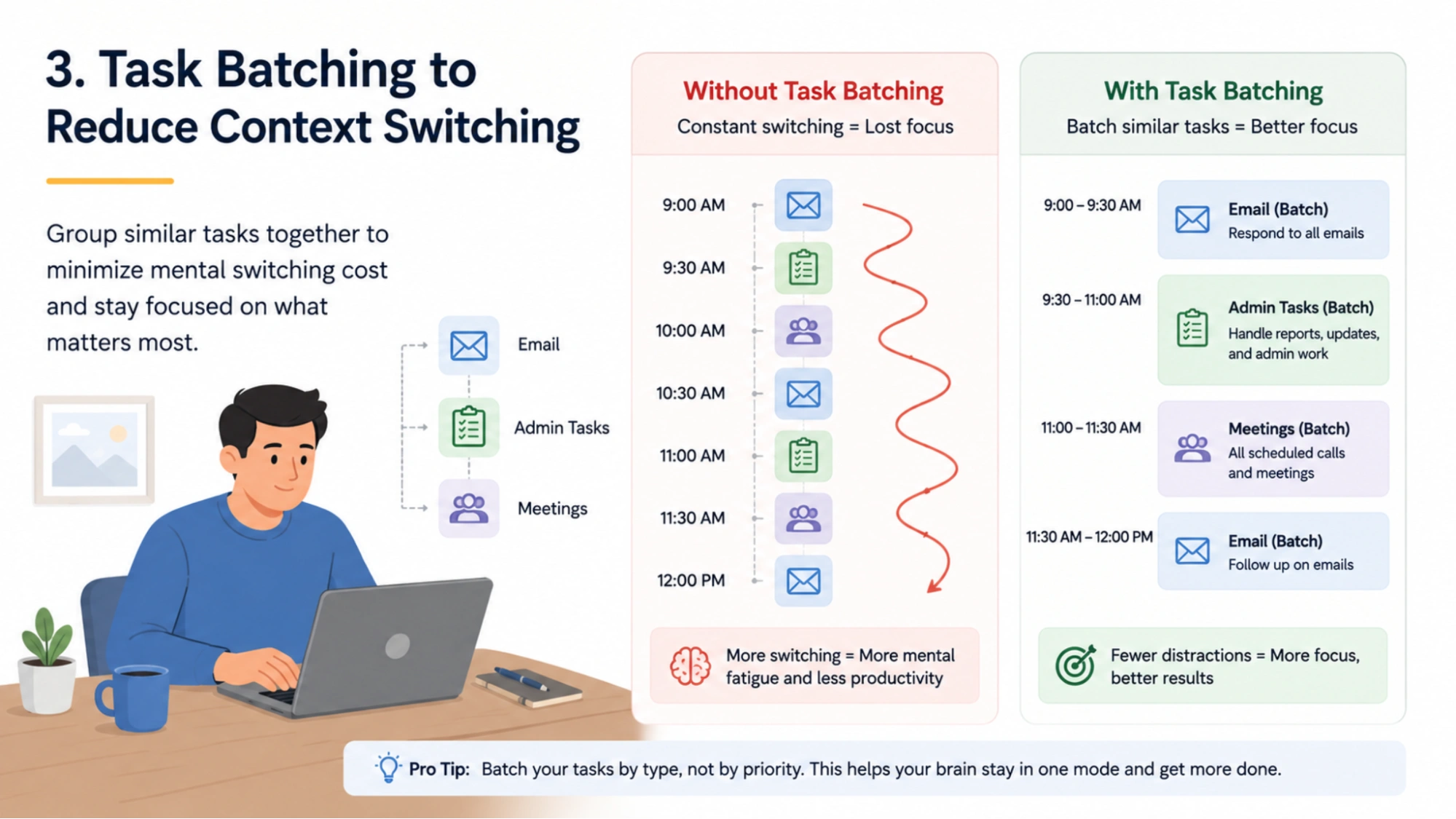
Everyday digital activities often contain small tasks that consume more time than expected. Converters can quickly change measurements or file formats, calculators can handle financial or mathematical problems, and calendar tools can help users remember important appointments. These simple solutions can remove friction from routine activities and make daily planning more convenient.
File and document utilities are also valuable for people who work regularly with digital information. Compression tools can make large files easier to share, while document utilities can help users organise or transform files. When these tools are easily accessible, users can complete common tasks quickly instead of searching for complicated solutions every time a small problem appears.
Efficiency Utilities for Work and Business
Businesses can benefit significantly from digital productivity utilities because many workplace activities are repetitive. Task management systems can help employees understand responsibilities, while automation platforms can handle routine processes. Document and spreadsheet utilities can also make information easier to organise, analyse and share across departments or project teams.
For remote and hybrid workplaces, these tools can improve collaboration and visibility. Team members can track project progress, share information and receive updates without being in the same physical location. The most effective approach is to select utilities that complement existing workflows rather than introducing additional software that creates confusion or duplicates the functions of current systems.
How to Choose the Right Efficiency Utilities
The best utility is not necessarily the one with the longest feature list. Start by identifying a specific problem that needs solving and then look for a tool designed around that requirement. Consider whether it is easy to use, works across your preferred devices and connects with applications that are already part of your workflow.
Security and privacy should also be considered, particularly when a utility handles personal, financial or business information. Review permissions and data-handling practices before using unfamiliar services. Pricing is another important factor. A free utility may be sufficient for occasional use, while a paid platform can be worthwhile if it consistently saves significant time or supports important business processes.
Free vs Paid Efficiency Utilities
Free digital utilities can be excellent for users with straightforward requirements. Many provide essential functions without requiring subscriptions, making them useful for students, individuals and small businesses with limited budgets. They also provide an opportunity to test a tool before deciding whether more advanced functionality is necessary.
Paid utilities often offer additional automation, integrations, storage, collaboration features and customer support. However, paying for more features does not automatically mean achieving greater productivity. Users should consider the actual value provided by a service. If a premium tool saves several hours each month or significantly simplifies an important workflow, its cost may be justified.
How to Use Efficiency Utilities Without Creating More Work
Productivity software should simplify your workflow rather than become another responsibility. One common mistake is collecting too many applications and attempting to use all of them simultaneously. This can create duplicated tasks, excessive notifications and unnecessary complexity. A better approach is to select a small group of tools that clearly solve recurring problems.
It is also useful to review your digital workflow occasionally. Remove tools that are no longer useful and adjust settings that create distractions. Keep task lists organised, automate genuinely repetitive processes and avoid unnecessary customisation. When technology quietly supports your routine rather than demanding constant attention, it becomes a much more effective productivity partner.
Common Mistakes When Using Productivity Utilities
Choosing a tool without understanding the underlying problem is one of the most common mistakes. Users may install an application because it appears popular, only to discover that it adds complexity to their routine. Another issue is using several tools for the same purpose, which can result in duplicated information and make it difficult to know where important data belongs.
Security is another consideration that should never be overlooked. Users should be careful about granting unnecessary permissions or uploading sensitive information to unfamiliar platforms. It is also important to check results produced by automated tools. Technology can improve efficiency, but human judgement remains essential when accuracy, privacy or important business decisions are involved.
The Role of AI in Efficiency Utilities
Artificial intelligence is transforming the way productivity software handles everyday tasks. AI-powered utilities can assist with organising information, summarising content, generating suggestions and identifying patterns in data. Some tools can also help users prioritise responsibilities or automate actions based on specific instructions, reducing the amount of manual effort required.
The future of AI-driven productivity is likely to become increasingly personalised. Instead of simply responding to commands, intelligent tools may learn from workflows and suggest more efficient ways to complete recurring activities. However, users should still review AI-generated results, especially when working with important information. Efficiency is most valuable when speed is combined with accuracy and thoughtful decision-making.
Future Trends in Efficiency and Productivity Tools
The future of digital productivity will likely involve greater integration between different applications. Rather than working with isolated tools, users may increasingly rely on connected systems where calendars, task lists, documents, communication platforms and automation services work together. This can reduce repeated data entry and create a smoother experience across different stages of a workflow.
AI, cloud computing and automation will also continue influencing productivity software. More personalised recommendations, smarter scheduling and automated administrative processes could make routine work increasingly efficient. At the same time, privacy and security will remain important considerations. As digital tools become more powerful, users will need to balance convenience with responsible management of their information.
Conclusion: Choosing Efficiency Utilities That Actually Save Time
Efficiency utilities can make a meaningful difference by removing unnecessary steps from everyday activities. From simple calculators and converters to advanced automation and AI-powered productivity platforms, these tools can help users save time, organise information and maintain smoother workflows. The key is to select solutions that address genuine problems rather than collecting applications simply because they offer impressive features.
A productive digital workflow does not need to be complicated. Start with a few reliable tools, understand how they fit into your routine and regularly remove anything that creates unnecessary work. When chosen carefully and used consistently, efficiency utilities can support better organisation, reduce repetitive effort and give users more time to concentrate on tasks that truly matter.
Frequently Asked Questions About Efficiency Utilities
What are efficiency utilities?
Efficiency utilities are digital tools that help users complete specific tasks more quickly or easily. They include calculators, converters, scheduling tools, automation platforms, file utilities and other productivity solutions.
How do efficiency utilities save time?
They reduce manual work by automating repetitive actions, providing quick calculations, organising information and simplifying common digital activities. Even small time savings can become significant when repeated regularly.
What are the best efficiency utilities for everyday use?
Useful categories include calendar tools, task managers, calculators, file converters, note-taking applications, browser extensions and automation platforms. The best choice depends on the user’s specific needs.
Are efficiency utilities useful for businesses?
Yes. Businesses can use productivity utilities to manage projects, automate repetitive processes, organise documents, coordinate teams and improve communication. They can be particularly useful for remote and hybrid workplaces.
Are there free efficiency utilities?
Yes. Many digital utilities offer free versions with essential features. These can be suitable for individuals and small teams, while paid versions may provide additional automation, integrations, storage or collaboration capabilities.
How do I choose the right efficiency utility?
Identify the specific task or problem you want to improve, then compare usability, features, compatibility, security, privacy, integrations and pricing. A tool should simplify your workflow rather than make it more complicated.
Can efficiency utilities improve time management?
Yes. Scheduling, reminders, task prioritisation and automated workflows can help users organise their time more effectively. Combining these features with realistic planning can create a more manageable daily routine.
Can AI make efficiency utilities more useful?
AI can add features such as automated summaries, task suggestions, content organisation, workflow recommendations and intelligent scheduling. Users should still review AI-generated information for accuracy before relying on it.
Is it possible to use too many productivity utilities?
Yes. Too many applications can create duplicated information, unnecessary notifications and complicated workflows. It is generally better to use a smaller collection of reliable tools that each serve a clear purpose.
Are online efficiency utilities safe to use?
Safety depends on the individual service. Before using an online utility, check its privacy policy, permissions, reputation and approach to handling user data. Avoid sharing sensitive information with services you do not trust.