Introduction to Industrial automation units
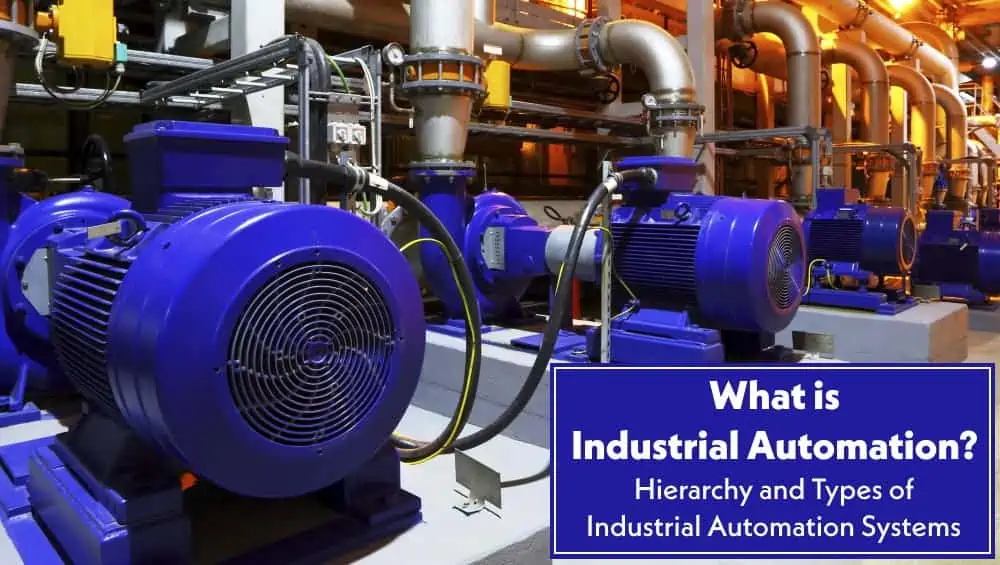
Modern manufacturing is evolving rapidly as businesses seek faster production, consistent quality and safer working environments. Industrial automation units are helping companies achieve these goals by combining machinery, control systems, sensors and software. These technologies can perform repetitive operations with limited human intervention, allowing production facilities to improve efficiency while responding more effectively to changing market requirements.
Automation is no longer limited to large factories with complex production lines. Smaller manufacturers are also adopting automated equipment for packaging, inspection, material handling and machine control. As digital technologies become more accessible, industrial automation is developing into a connected ecosystem where machines can communicate, exchange information and make operational adjustments in real time.
What Are Industrial automation units?
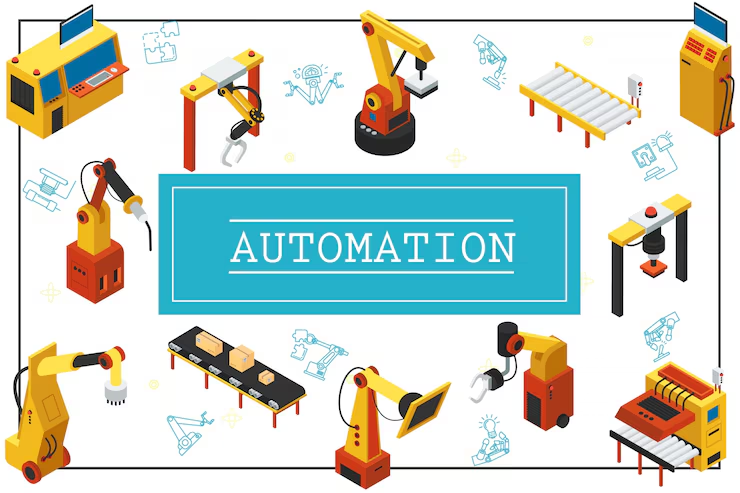
Industrial automation units are individual machines, equipment assemblies or integrated control solutions designed to automate specific industrial processes. They can include robotic workstations, automated conveyors, control cabinets, inspection machines, packaging equipment and specialised production systems. Each unit is designed to perform a defined task while interacting with other equipment when required.
The complexity of an automation unit depends on its application. A simple system may control a single motor or production process, while an advanced unit can combine sensors, robotics, artificial intelligence and industrial networking. Human operators remain important for supervision, maintenance and decision-making, but automated equipment can handle many repetitive operations with speed and consistency.
Key Components of Industrial automation units
A modern automation unit typically contains several interconnected components. Programmable logic controllers process signals and coordinate machine operations, while sensors detect variables such as temperature, pressure, position, speed and proximity. Motors, drives and actuators then convert control instructions into physical movement, allowing machines to perform precise industrial tasks.
Human-machine interfaces provide operators with a practical way to monitor equipment and adjust settings. Industrial networks allow different machines to communicate, while safety systems can detect dangerous conditions and stop equipment when necessary. Together, these components create a coordinated environment where mechanical operations, electrical controls and digital information work together efficiently.
How Industrial automation units Work
The automation process generally starts with sensors collecting information from machinery or the production environment. A controller receives these signals and compares them with programmed requirements. If an adjustment is necessary, it sends commands to motors, actuators, valves or other equipment. Feedback then confirms whether the intended action has produced the desired result.
This continuous cycle allows machines to respond to changing conditions without constant manual intervention. For example, an automated packaging unit can detect the position of a product, control its movement, apply packaging and verify the finished result. If a fault is detected, the system can alert an operator or automatically stop the process to prevent further problems.
Technologies Driving Industrial automation units

Several technologies are accelerating the development of industrial automation. Robotics can perform complex physical operations, while machine vision allows equipment to inspect products and identify defects. Industrial Internet of Things devices can collect information from connected machinery, creating detailed records of production performance and equipment condition.
Artificial intelligence and machine learning are also becoming increasingly important. These technologies can analyse operational data, identify patterns and support predictive maintenance. Edge computing allows information to be processed close to the machines generating it, which can reduce response times. Digital twins can also help engineers simulate production environments before making changes to physical equipment.
Applications of Industrial automation units Across Industries
Industrial automation is widely used in automotive manufacturing, where robotic systems can assist with welding, assembly, painting and inspection. Electronics manufacturers use automated equipment for precise component placement and quality control. Food and beverage facilities can automate filling, labelling, sorting and packaging, helping businesses maintain consistent production standards while meeting demanding output requirements.
Other applications include pharmaceuticals, chemicals, energy, logistics and warehousing. Automated systems can handle materials, monitor processes and operate equipment in environments where precision or safety is critical. The technology is also becoming valuable in agriculture and industrial equipment production. Each industry adapts automation to its specific requirements, including operating temperature, production speed and safety considerations.
Benefits of Industrial automation units
One of the most important advantages of automation is increased productivity. Machines can perform repetitive operations at consistent speeds, helping businesses increase throughput without relying entirely on manual labour. Automated processes can also improve repeatability, which is particularly valuable when products require precise measurements or consistent assembly.
Safety is another important benefit. Automated equipment can perform tasks involving heavy loads, hazardous materials or dangerous machinery, reducing direct exposure for employees. Real-time monitoring can also help identify abnormal conditions quickly. When combined with appropriate maintenance and safety systems, automation can reduce downtime, improve resource use and support more reliable production.
Industrial automation units and Smart Manufacturing
Smart manufacturing extends traditional automation by connecting machines, data and business processes. Connected equipment can provide real-time information about production rates, machine health, energy consumption and quality. Managers can use this information to identify inefficiencies and make informed decisions instead of relying solely on manual observations or historical reports.
Industry 4.0 technologies are making these connected environments increasingly sophisticated. Predictive maintenance systems can identify signs of equipment deterioration before major failures occur, while automated analytics can highlight production bottlenecks. Digital twins can simulate processes and help engineers test potential improvements. However, greater connectivity also increases the importance of cybersecurity and secure industrial networks.
Challenges of Implementing Industrial automation units
Despite their advantages, automation projects can require significant investment. Costs may include machinery, software, installation, integration, employee training and ongoing maintenance. Businesses also need to consider whether their existing infrastructure can support new equipment. Older machinery may use communication protocols that are difficult to integrate with modern control platforms.
Workforce development is another important consideration. Automation changes the skills required within production environments, increasing demand for technicians, engineers and employees who understand digital control systems. Cybersecurity also requires attention because connected industrial equipment can become a target for malicious activity. Careful planning, testing and employee training can help organisations manage these challenges effectively.
How to Choose the Right Industrial automation units
Businesses should begin by identifying the specific process they want to improve. Production volume, accuracy, operating conditions, available space and safety requirements can all influence the most appropriate solution. Companies should also assess whether the equipment can communicate effectively with existing machinery and whether it can be expanded as production requirements grow.
Long-term operating costs deserve attention alongside the initial purchase price. Energy consumption, maintenance requirements, spare parts and technical support can significantly influence the total cost of ownership. Selecting a reliable supplier with appropriate training and after-sales support can also make implementation easier. A well-planned automation strategy should focus on measurable operational improvements rather than adopting technology simply because it is new.
Future Trends in Industrial automation units
The future of industrial automation is likely to be increasingly intelligent and connected. Artificial intelligence can help machines analyse production information and make more informed adjustments, while collaborative robots can work alongside human employees in suitable environments. Modular automation may also make it easier for manufacturers to change production processes as product requirements evolve.
Predictive maintenance, machine vision, digital twins and industrial connectivity are expected to become more widespread. Energy efficiency will also remain important as businesses look for ways to control operational costs and reduce environmental impact. These developments could lead to factories where machines monitor themselves, communicate continuously and adapt production processes with increasingly limited human intervention.
Sustainability and Industrial automation units
Automation can support sustainability by improving production accuracy and reducing unnecessary waste. Precise machines can use materials more efficiently, while monitoring systems can identify excessive energy consumption. Automated controls can also adjust equipment according to actual production requirements, helping prevent unnecessary operation and resource use.
However, automation should be evaluated across the entire equipment lifecycle. Machines require energy, materials, maintenance and eventual replacement. Businesses should therefore consider efficient motors, intelligent controls, durable components and repairability when selecting equipment. A thoughtful approach can help automation contribute to both operational efficiency and broader sustainability objectives.
Conclusion: The Future of Industrial automation units
Industrial automation units are becoming an important part of modern production because they combine physical machinery with intelligent control and real-time information. From manufacturing and packaging to logistics and energy, these systems can improve productivity, consistency, safety and operational visibility while reducing the burden of repetitive tasks.
The next generation of automation will be shaped by artificial intelligence, robotics, IIoT, machine vision and connected manufacturing. As these technologies develop, industrial equipment is likely to become more flexible, intelligent and responsive. Businesses that plan carefully, invest in appropriate technologies and develop workforce skills can use automation to build more efficient and resilient production environments.
Frequently Asked Questions About Industrial automation units
What are Industrial automation units?
Industrial automation units are machines or integrated equipment designed to automate specific industrial tasks. They can include robotic systems, packaging machines, conveyors, inspection equipment, control cabinets and other automated production technologies.
What components are used in Industrial automation units?
Common components include PLCs, sensors, motors, drives, actuators, HMIs, safety systems, industrial networks and software. Advanced systems may also use robotics, machine vision, artificial intelligence and IIoT technologies.
How do Industrial automation units improve manufacturing?
They can increase production speed, improve consistency, reduce repetitive manual work and support better quality control. Automated monitoring can also identify equipment problems and help businesses reduce unexpected downtime.
Where are Industrial automation units used?
They are used in automotive, electronics, food and beverage, pharmaceutical, chemical, energy, packaging, logistics and warehousing industries. Their applications vary according to the production requirements and operating conditions of each sector.
What technologies are used in Industrial automation units?
Important technologies include programmable logic controllers, industrial robotics, sensors, machine vision, IIoT, artificial intelligence, edge computing and digital twins. These technologies can work together to create connected and responsive manufacturing systems.
Are Industrial automation units expensive?
Costs vary according to system complexity, production capacity and integration requirements. Although the initial investment can be significant, businesses may achieve long-term benefits through increased productivity, reduced waste, improved quality and lower downtime.
Can Industrial automation units work with existing machinery?
Yes, although integration can be challenging when older equipment uses incompatible technologies or communication protocols. Engineers can use suitable interfaces, controllers and networking solutions to connect modern automation with existing industrial machinery.
What are the main challenges of industrial automation?
Common challenges include initial costs, system integration, maintenance, workforce training, cybersecurity and production disruption during installation. Proper planning and technical support can help businesses reduce these risks.
What is the future of Industrial automation units?
The future is expected to involve more AI-powered equipment, collaborative robotics, predictive maintenance, machine vision, connected factories and flexible production systems. These developments could make industrial automation increasingly intelligent, adaptable and energy-efficient.