Introduction to Apple Computer Software
Apple computer software has become an important part of modern computing, offering Mac users a combination of productivity, creativity, communication and entertainment tools. From the macOS operating system to everyday applications, Apple provides a carefully connected software environment designed to work smoothly across compatible devices. This integration makes many tasks simpler while giving users access to a wide range of useful features.
In 2026, Mac users can choose from Apple’s built-in applications as well as thousands of trusted third-party programmes. The right software can transform a Mac from a basic computer into a powerful workstation for studying, business, creative projects and everyday activities. Understanding the available options can help users select applications that match their needs, budget and computing habits.
What Is Apple Computer Software?
Apple computer software refers broadly to programmes and operating systems designed to run on Apple’s Mac computers. macOS is the central software platform, managing hardware resources while providing the interface through which users open applications, organise files, browse the internet and complete everyday tasks. Alongside macOS, Apple offers numerous applications for communication, productivity, entertainment and creative work.
Apple computer software can also include compatible applications created by independent developers. These programmes extend the capabilities of a Mac by offering specialised functions that may not be included with the operating system. Depending on their requirements, users can install software for accounting, graphic design, programming, video editing, project management, education and many other purposes.
Essential Software Every Mac User Should Know
A new Mac already includes several applications that can handle common computing tasks without requiring additional downloads. Users can manage files, browse websites, communicate with contacts, create notes, organise calendars and access multimedia content using applications included within the Apple ecosystem. These built-in tools provide a convenient starting point for people who are moving to Mac for the first time.
Applications for file management, web browsing, email, video calls, notes and passwords can become part of a user’s everyday workflow. Using built-in software can also reduce the number of unnecessary programmes installed on a computer. This may make the Mac easier to organise while allowing users to discover which additional tools they actually need.
Apple Computer Software for Productivity and Work
Mac computers are widely used for professional and educational activities, making productivity software particularly valuable. Applications for writing documents, creating presentations, managing spreadsheets, organising schedules and communicating with colleagues can help users complete routine work more efficiently. Cloud-based services can also make it easier to access important documents across different devices and collaborate with other people.
When choosing productivity tools, users should consider their working style rather than simply selecting the application with the longest feature list. A freelancer may need project management and invoicing software, while a student may prioritise writing and research tools. Businesses may require collaboration, document management and communication features that support larger teams and more complex workflows.
Apple Computer Software for Creative Professionals
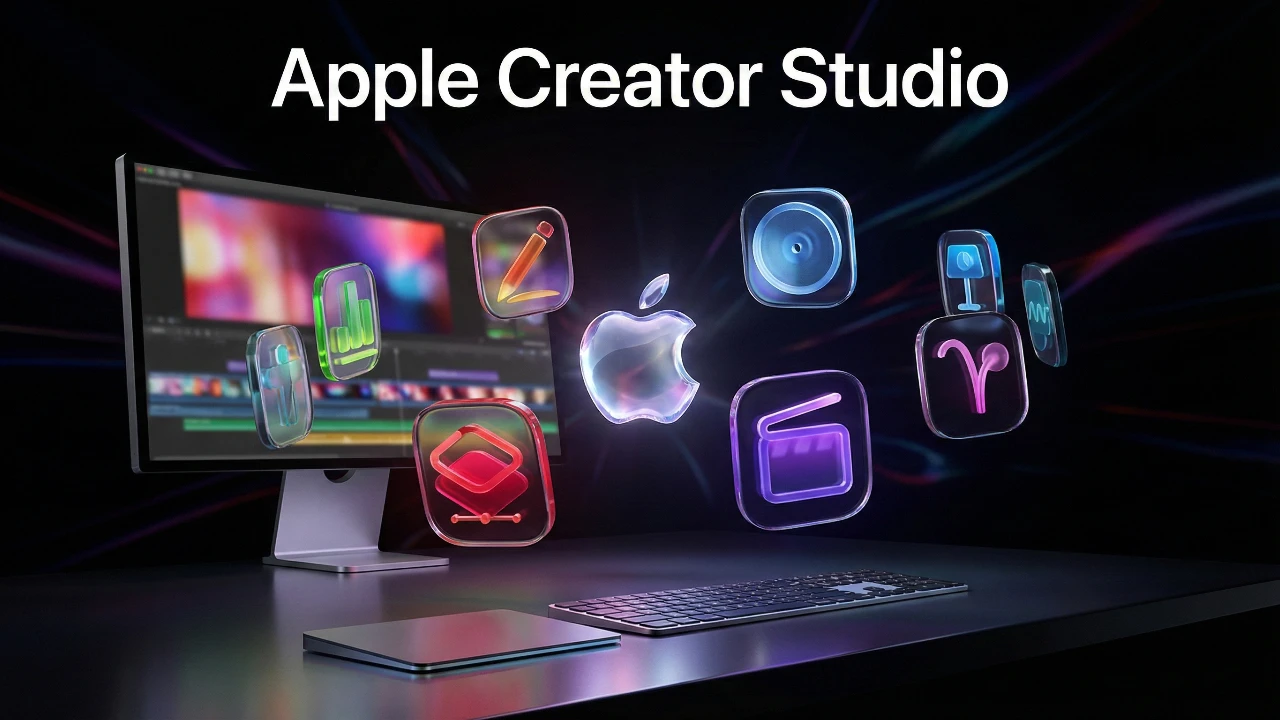
Creative users can find powerful Mac software for photography, graphic design, video editing, music production and digital publishing. Some applications are designed for beginners who want straightforward editing tools, while professional programmes provide advanced controls for demanding projects. Modern Mac hardware can provide strong performance for many creative workloads, although requirements vary significantly between applications.
For photographers, useful software may include image organisation and editing tools, while video creators may need applications capable of handling high-resolution footage. Musicians can explore digital audio workstations and production tools for recording and arranging sound. Designers should consider support for professional file formats, colour management and external accessories before choosing a particular creative application.
Security, Privacy and Mac Maintenance Software
Mac users benefit from security technologies built into macOS, but safe computing also depends on sensible software habits. Users should download applications from reputable sources, keep their operating system updated and carefully review permissions requested by unfamiliar programmes. Strong passwords and reliable backups can provide additional protection for important documents and personal information.
Security and maintenance should not mean installing numerous applications that promise instant performance improvements. Some unnecessary cleaning tools can create additional complexity rather than solving genuine problems. A better approach is to keep software updated, remove applications that are no longer required, maintain adequate storage space and use trusted security practices when browsing or downloading files.
How to Choose the Right Apple Computer Software
The best software depends on what a person actually wants to accomplish. Before installing an application, users should consider its purpose, compatibility, system requirements, privacy practices, price and reputation. Checking whether an application supports the user’s macOS version and Mac hardware can prevent compatibility problems and disappointing performance after installation.
Cost is another important consideration because software may be free, require a one-off payment or operate through a subscription. Free applications can be excellent for basic tasks, while premium tools may provide advanced features required by professionals. Reading current reviews and checking the developer’s website can also help users make more informed decisions.
Free and Paid Software Options
Free software can be an attractive choice for users who need straightforward tools without adding another expense to their monthly budget. Many free applications provide enough functionality for browsing, writing, communication, basic editing and personal organisation. For casual users, these programmes may offer everything necessary for everyday Mac activities.
Paid software can become worthwhile when advanced features, professional support or specialised capabilities are required. Subscription services may provide regular updates and cloud features, whereas one-time purchases can be preferable for people who dislike recurring costs. Comparing the long-term price with the features offered is a useful way to determine whether a premium application provides genuine value.
How to Install and Manage Mac Software
Installing software on a Mac is generally straightforward when users obtain applications through the Mac App Store or trusted official developer websites. Before downloading an unfamiliar programme, it is sensible to check who developed it and whether the application is compatible with the current macOS version. Users should also pay attention to security warnings and permission requests during installation.
Good software management involves more than installing applications. Users should regularly update programmes, remove applications they no longer use and monitor available storage. Keeping fewer unnecessary applications can make it easier to find important tools and maintain an organised system. Important files should also be backed up regularly so that software problems do not result in permanent data loss.
Apple Computer Software for Different Mac Users
Students often benefit from software for writing, research, note-taking, presentations and time management. Professionals may need communication, document management, spreadsheet and collaboration tools. Freelancers can look for applications that support project management, invoicing and client communication, while creative professionals may require powerful tools for photography, video, audio or design work.
Developers have different requirements and may need coding environments, testing tools and development frameworks. Casual users, meanwhile, may only need a browser, communication applications, media tools and basic productivity software. This variety demonstrates why there is no single application package that suits everyone. The ideal software setup should reflect the user’s activities rather than the popularity of individual programmes.
Apple Computer Software and Modern Mac Hardware
Software performance is closely connected to the hardware inside a Mac. Modern Apple Silicon processors have changed expectations around speed and energy efficiency, but demanding applications can still require significant memory, storage and processing resources. Users should therefore check recommended system specifications before installing professional creative, engineering or development software.
Compatibility is especially important when upgrading an older Mac or moving to a newer model. Some applications may receive updates that introduce support for newer hardware or macOS releases, while older programmes may eventually stop receiving updates. Keeping both hardware and software requirements in mind can help users build a more reliable and longer-lasting Mac setup.
Common Mac Software Problems and Solutions
Even reliable applications can sometimes crash, freeze or refuse to open. Common causes include outdated software, incompatible macOS versions, insufficient storage, damaged application files or conflicts with other programmes. Restarting the Mac, checking for updates and ensuring sufficient free storage are simple troubleshooting steps that can resolve many everyday problems.
If an application continues to cause problems, users can check the developer’s support documentation for specific solutions. Reinstalling an application may also help when installation files have become damaged. Before making significant changes, however, users should ensure important documents are safely backed up. Persistent problems may require professional technical assistance or support from the software developer.
Tips for Keeping Mac Software Fast and Safe
Keeping software current is one of the simplest ways to maintain a reliable Mac. Updates can introduce new features, improve compatibility and address security vulnerabilities. Users should also review installed applications periodically and remove programmes that are no longer useful. Maintaining enough free storage can help avoid problems when applications need temporary space.
Safe downloading habits are equally important. Applications should ideally come from the Mac App Store or reputable official sources. Users should be cautious with unknown downloads, suspicious advertisements and programmes that request unnecessary permissions. A combination of regular updates, careful downloading, sensible storage management and dependable backups can create a safer and smoother computing experience.
The Future of Apple Computer Software
The future of Mac software is likely to involve increasingly intelligent features, automation and closer connections between applications. Artificial intelligence is already influencing how people search for information, edit content, organise tasks and complete repetitive work. As these capabilities develop, software may become more personalised and capable of assisting users across professional and creative workflows.
Cloud services and cross-device experiences are also likely to remain important. People increasingly expect their documents, settings and projects to move smoothly between computers, tablets and phones. Future Apple computer software will therefore need to balance powerful functionality with privacy, performance and ease of use. Users who choose regularly updated applications should be better positioned to benefit from these developments.
Conclusion: Choosing the Best Software for Your Mac
Choosing the right software is ultimately about finding tools that make everyday tasks easier, faster and more productive. Mac users have access to a broad ecosystem covering writing, communication, business, education, creativity, entertainment and security. Starting with built-in applications and adding trusted third-party tools when necessary can create a practical and uncluttered computing environment.
The best Apple computer software is not necessarily the programme with the most features. It is the application that fits the user’s requirements, works reliably with their Mac and provides worthwhile value. By considering compatibility, security, cost, performance and long-term support, users can create a software setup that remains useful as their needs and Mac technology continue to evolve.
Frequently Asked Questions About Apple Computer Software
What is Apple computer software?
Apple computer software includes macOS and applications designed to operate on Mac computers. It covers tools for productivity, communication, creativity, entertainment, file management and many other everyday activities.
What software comes with a Mac?
A Mac comes with macOS and a collection of built-in applications for tasks such as browsing, communication, file management, notes, calendars and multimedia. The exact software experience can vary according to the macOS version.
Is Apple computer software free?
Some software is included with macOS at no additional cost, while other applications are paid or subscription-based. Third-party developers set their own pricing, so costs can vary considerably between programmes.
Can I install third-party software on a Mac?
Yes. Mac users can install compatible third-party applications, preferably from the Mac App Store or trusted official developer websites. Checking compatibility and developer reputation before installation is recommended.
What is the best software for Mac beginners?
Beginners can start with the applications already included with macOS before adding specialist programmes. This approach allows new users to become familiar with their Mac without installing unnecessary software.
How do I update software on a Mac?
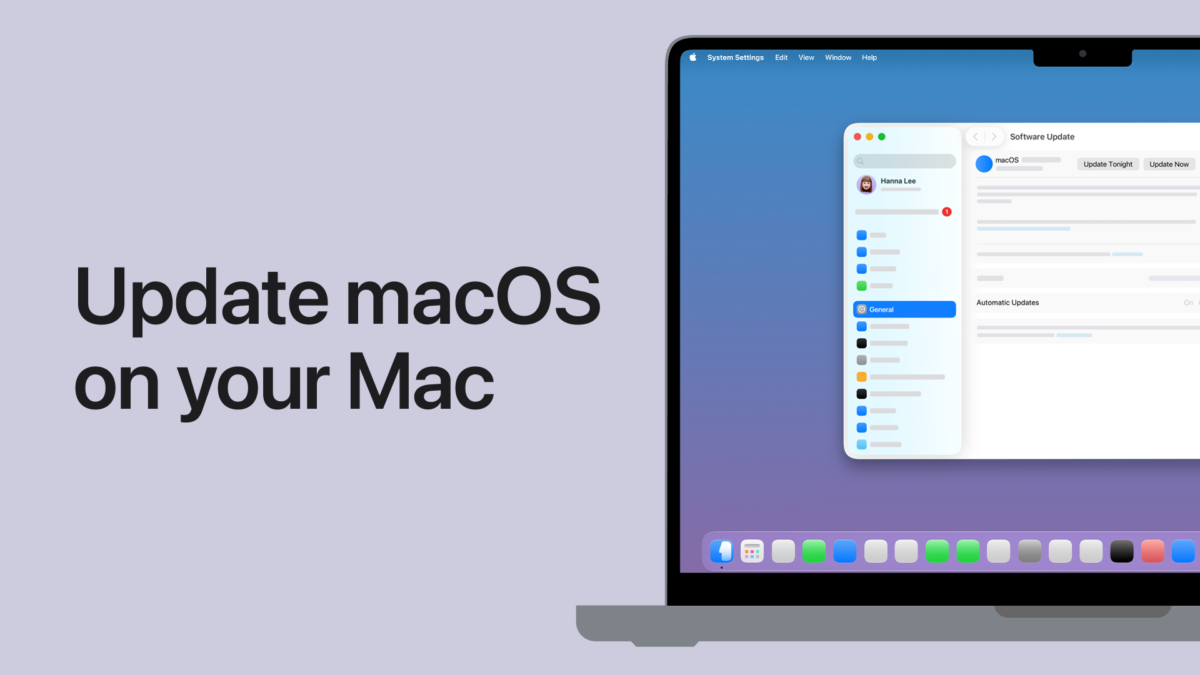
macOS updates can be managed through the system settings, while applications can generally be updated through the Mac App Store or their respective developer platforms. Keeping software updated can improve security and compatibility.
Does all Mac software work on every Mac?
No. Software compatibility can depend on the macOS version, processor architecture, memory, storage and other hardware specifications. Users should check the application’s requirements before installing or purchasing it.
How can I keep my Mac software secure?
Download programmes from trusted sources, install updates promptly, review application permissions and avoid suspicious downloads. Maintaining regular backups is also important for protecting valuable personal and professional files.