Technology has become woven into almost every part of modern life. From checking a smartphone in the morning to using online services before bed, people now depend on digital tools for communication, shopping, work, entertainment and information. These changing patterns of behaviour are often described as evolving digital habits, and they continue to develop as new technologies become easier and more accessible.
The pace of technological change has made digital behaviour more dynamic than ever. Smartphones, artificial intelligence, social media, streaming platforms and connected devices are influencing how people spend their time and make everyday decisions. Understanding these changes can help individuals use technology more effectively while recognising the challenges that come with an increasingly connected lifestyle.
What Are Evolving Digital Habits?
Evolving digital habits describe the changing ways people use technology and online platforms in their everyday lives. These habits can include searching for information, communicating with others, shopping online, watching videos, using mobile applications and completing professional tasks. As technology develops, users naturally adjust their routines to take advantage of faster, simpler and more convenient digital experiences.
These behaviours are not fixed. A service that once required a computer may now be completed within seconds on a smartphone. Similarly, people who previously relied on television, newspapers or physical shops can now access entertainment, news and products through digital platforms. This constant adjustment demonstrates how evolving digital habits reflect broader changes in society and technology.
How Technology Is Changing Everyday Routines
Technology has transformed many ordinary routines that once required considerable time and effort. People can now use navigation applications to plan journeys, digital calendars to organise appointments and mobile banking to manage finances. Smart devices can also control household equipment, monitor activity and provide reminders, making technology an increasingly integrated part of daily life.
Convenience is one of the strongest forces behind evolving digital habits. When a digital service makes an activity quicker or easier, users are more likely to include it in their regular routines. Over time, these small changes can become permanent behaviours, creating a lifestyle in which digital tools are no longer optional conveniences but essential parts of everyday organisation.
The Rise of Mobile-First Digital Behaviour
Smartphones have changed the way people access the internet. Instead of waiting to use a desktop computer, users can search for information, send messages, purchase products, check bank accounts and watch videos from almost anywhere. This mobile-first behaviour has encouraged businesses to design websites and services that are fast, responsive and easy to use on smaller screens.
Mobile technology has also increased the frequency of online activity. People may check notifications during a journey, compare products while shopping or search for answers while having a conversation. Although this constant accessibility provides significant convenience, it also means that digital experiences can become deeply embedded in everyday routines.
Evolving Digital Habits in Communication and Social Media
Communication has changed dramatically through messaging applications, social networks and video calling. Instead of relying mainly on traditional phone calls or face-to-face conversations, people can share text, images, videos and voice messages instantly. Social platforms have also created online communities where users can communicate with people who share similar interests, regardless of geographical distance.
Social media has introduced another important change: communication is increasingly shaped by algorithms. Platforms decide which posts, videos and recommendations users are most likely to see. This personalised approach can make digital experiences more relevant, but it can also encourage people to spend more time scrolling and consuming content than they originally intended.
How Artificial Intelligence Is Influencing Digital Habits
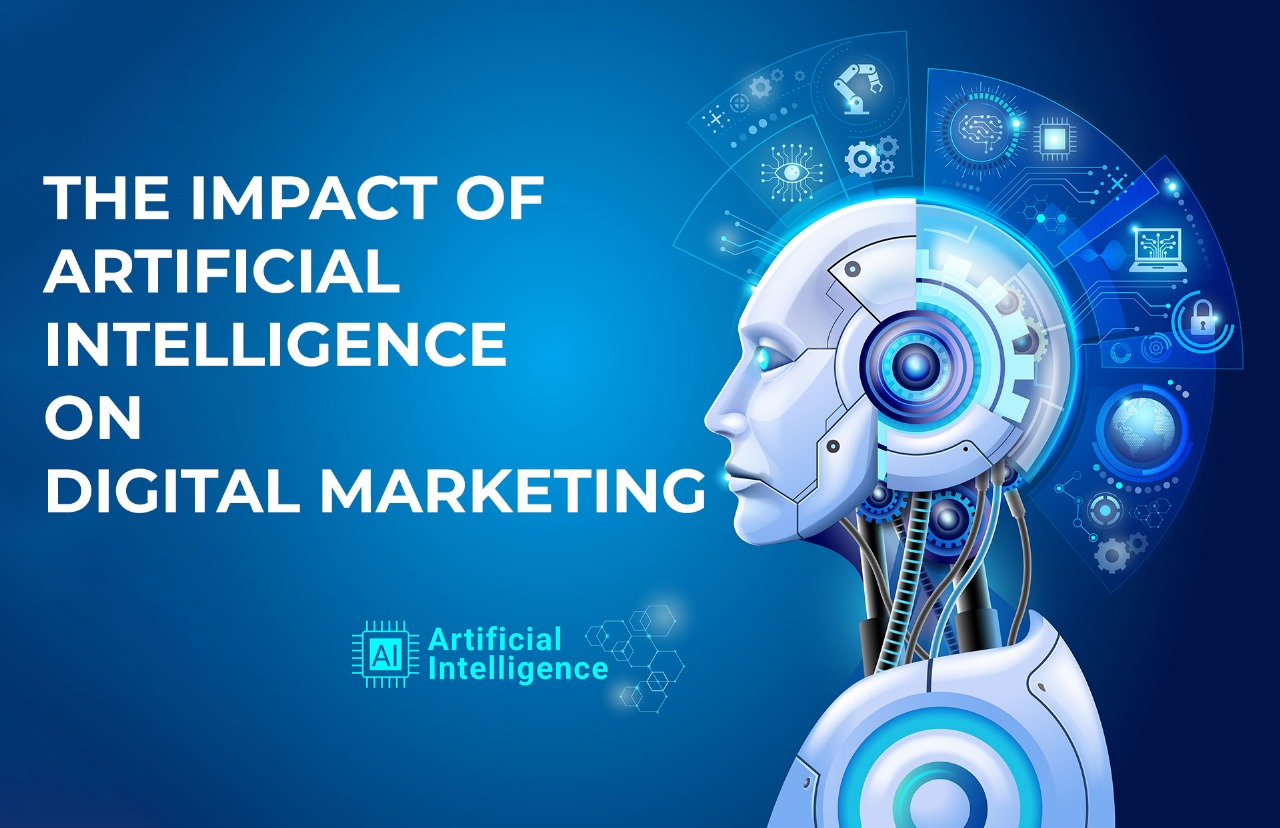
Artificial intelligence is becoming an important influence on modern digital behaviour. AI-powered search, virtual assistants, recommendation systems and chatbots can help users find information, solve problems and complete tasks more quickly. Generative AI has also introduced new ways to create text, images, ideas and other forms of digital content.
As AI becomes more common, users may increasingly expect technology to understand their preferences and provide immediate answers. This is likely to make digital experiences more personalised and automated. However, responsible use remains important, particularly when AI-generated information may be incomplete or inaccurate. Human judgement will continue to play an essential role in evaluating digital information.
Evolving Digital Habits at Work and in Education
The workplace has experienced major changes as digital tools have become central to communication and collaboration. Cloud platforms, video meetings, shared documents and project management applications allow teams to work together across different locations. Remote and hybrid working have further increased dependence on digital technology, making online collaboration a normal part of professional life.
Education has also become more digitally connected. Students can access online courses, virtual classrooms, educational videos and digital research materials from almost anywhere. These opportunities can make learning more flexible and accessible. At the same time, effective digital learning requires discipline because notifications, social media and other online distractions can easily interrupt concentration.
The Transformation of Online Shopping and Consumer Behaviour
Online shopping has changed how consumers discover, compare and purchase products. Rather than visiting several physical shops, shoppers can compare prices, read reviews and explore product information within minutes. Mobile shopping and digital payments have made the purchasing process even more convenient, contributing significantly to evolving digital habits among consumers.
Personalisation is another major influence on online purchasing. E-commerce platforms can recommend products based on previous searches, purchases and browsing behaviour. Social media can also introduce users to products through influencers, advertisements and user-generated content. As a result, the journey from discovering a product to purchasing it can now happen almost entirely online.
Streaming, Gaming and Digital Entertainment Habits
Entertainment has moved increasingly towards on-demand digital platforms. People can watch films, television programmes and short videos whenever they choose rather than following fixed broadcasting schedules. Music streaming and podcasts have similarly given users greater control over what they listen to and when they listen to it.
Recommendation algorithms play a significant role in this transformation. Platforms analyse viewing and listening behaviour to suggest content that users may enjoy. This creates highly personalised experiences, but it can also encourage longer periods of consumption. Digital entertainment therefore demonstrates both the convenience and complexity of evolving digital habits.
The Growing Importance of Privacy and Digital Security
As people spend more time online, privacy and security have become increasingly important. Digital services can collect information about accounts, preferences, browsing behaviour and purchases. Users may not always realise how much information they share when using applications and websites, making awareness an important part of responsible technology use.
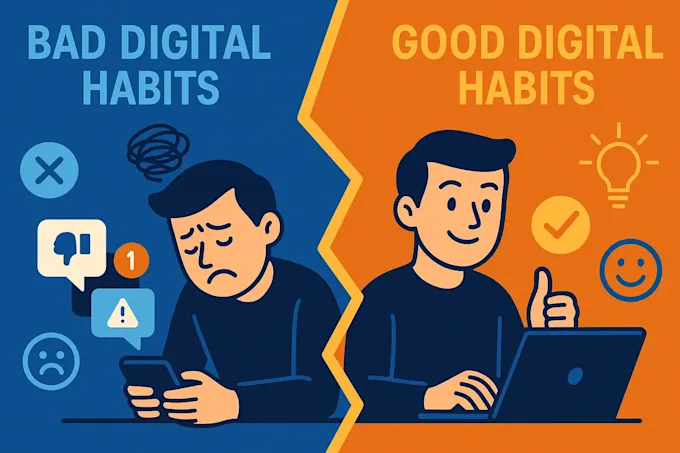
Good digital security habits can reduce unnecessary risks. Strong, unique passwords, multi-factor authentication, software updates and careful attention to suspicious messages can provide valuable protection. Understanding privacy settings is equally important because users should have greater awareness of how their personal information is collected and used across digital platforms.
The Benefits and Challenges of Evolving Digital Habits
One major benefit of evolving digital habits is convenience. Technology can make communication faster, information easier to access and everyday services simpler to manage. Digital platforms can also provide opportunities for remote work, online education, global communication and personalised entertainment that were difficult to achieve through traditional systems.
However, there are challenges to consider. Excessive screen time, online distractions, privacy concerns and information overload can affect the quality of digital experiences. Constant notifications may make it harder to concentrate, while unlimited access to online content can encourage people to spend more time connected than they originally planned.
How to Develop Healthier Digital Habits
Developing healthier technology habits does not necessarily mean avoiding digital devices. Instead, it involves using them intentionally. Turning off unnecessary notifications, creating screen-free periods and taking regular breaks can help people maintain better control over their time. Reviewing privacy settings and limiting access to unnecessary applications can also improve digital awareness.
A balanced approach is particularly important because technology can be both productive and distracting. People can ask whether a particular digital activity is helping them achieve something useful or simply consuming their attention. By making conscious choices, individuals can benefit from technology without allowing it to dominate every part of their daily lives.
What the Future of Digital Habits Could Look Like
The future of digital behaviour is likely to become even more personalised, connected and automated. Artificial intelligence, wearable technology, smart home devices and voice-based interfaces could reduce the number of steps required to complete everyday tasks. Digital services may increasingly anticipate what users need instead of simply responding to commands.
These developments could make technology more useful, but they will also create new questions about privacy, security and digital dependence. As technology becomes more deeply integrated into everyday life, digital literacy will become increasingly valuable. People who understand both the benefits and limitations of new technologies will be better positioned to adapt to future changes.
Conclusion
Evolving digital habits are changing everyday life by influencing how people communicate, work, learn, shop and enjoy entertainment. Technology has made many activities faster and more convenient, while smartphones and artificial intelligence have created increasingly personalised digital experiences. These changes demonstrate that digital behaviour is constantly adapting alongside technological progress.
The key is finding a healthy balance. Technology can improve productivity, accessibility and communication when used thoughtfully, but excessive dependence can create distractions and privacy concerns. By developing responsible digital habits, staying aware of security risks and using technology intentionally, people can embrace innovation while maintaining greater control over their everyday lives.
FAQs About Evolving Digital Habits
What are evolving digital habits?
Evolving digital habits are the changing ways people use technology, websites, applications and online platforms in their daily lives. They include activities such as communication, online shopping, digital banking, entertainment, education and professional work.
Why are digital habits changing so quickly?
Digital habits are changing rapidly because new technologies and services are introduced continuously. Smartphones, artificial intelligence, social media, faster internet connections and cloud-based platforms give users new ways to complete familiar tasks.
How is technology changing everyday life?
Technology is making many everyday activities faster and more accessible. People can communicate instantly, shop online, manage finances, work remotely, access education and enjoy entertainment using connected digital devices.
How does artificial intelligence affect digital habits?
Artificial intelligence influences digital habits through personalised recommendations, automated services, AI-powered search and generative tools. It can help users complete tasks faster while changing expectations about how quickly digital services should respond.
What are the benefits of evolving digital habits?
Major benefits include convenience, faster communication, improved productivity, easier access to information, flexible education, online shopping and personalised entertainment. Digital technology can also connect people across geographical boundaries.
What are the disadvantages of changing digital habits?
Potential disadvantages include excessive screen time, digital distractions, privacy concerns, cybersecurity risks, information overload and difficulty disconnecting from technology. Maintaining healthy boundaries can help reduce these problems.
How can people develop healthier digital habits?
People can develop healthier habits by limiting unnecessary notifications, taking regular screen breaks, setting boundaries around device use and reviewing privacy settings. Using technology intentionally rather than automatically can also improve digital wellbeing.
Why is digital privacy becoming more important?
As people use more online services, more personal information can be collected and processed digitally. Understanding privacy settings, using strong passwords and enabling multi-factor authentication can help users protect their accounts and personal information.
How will digital habits change in the future?
Future digital habits are likely to be influenced by artificial intelligence, wearable devices, smart homes, voice technology and increasingly personalised services. These technologies may make everyday tasks more automated while creating new privacy and security considerations.