Introduction: Why Modern Web Directions Matter
The internet is changing at an extraordinary pace, influenced by artificial intelligence, cloud computing, mobile technology and evolving user expectations. Modern web directions reflect these changes by introducing faster, smarter and more personalised digital experiences. From the way websites are designed to how people search for information, emerging technologies are reshaping how businesses and users interact online.
Understanding modern web directions is increasingly important for businesses, developers, marketers and content creators. A successful website is no longer judged only by its appearance. Performance, accessibility, security, personalisation and convenience all contribute to digital success. Organisations that understand these developments can make better technology decisions and create experiences that remain useful as the internet continues to evolve.
Artificial Intelligence Is Transforming the Modern Web
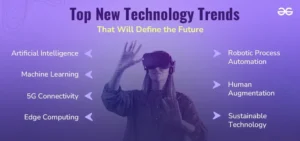
Artificial intelligence is becoming one of the most influential forces behind modern web development. Businesses are using AI-powered chatbots, recommendation systems, search tools and automated customer support to create more responsive experiences. Instead of providing the same content to every visitor, websites can increasingly understand user behaviour and deliver information that is more relevant to individual needs.
AI is also changing the way websites are created and maintained. Developers can use intelligent tools to assist with coding, testing, debugging and optimisation, while content teams can use AI to explore ideas and improve workflows. However, human oversight remains essential. Accuracy, originality, privacy and trust should remain central when businesses introduce artificial intelligence into their digital strategies.
Modern Web Design and User Experience Trends
Modern web design is moving towards cleaner interfaces, simpler navigation and experiences that place users at the centre. Visitors expect websites to load quickly, work smoothly and make information easy to find. Responsive layouts are now essential because people access websites through smartphones, tablets, laptops and desktop computers with different screen sizes and capabilities.
User experience also extends beyond visual design. Accessible typography, logical navigation, clear buttons and useful interactive elements can make websites easier to use. Subtle animations and micro-interactions can add personality without becoming distracting. The strongest modern designs combine creativity with functionality, ensuring that visual appeal supports the user’s journey rather than making it more complicated.
Website Performance and the Demand for Speed

Website speed has become a fundamental part of digital performance. Internet users are unlikely to remain patient when a page takes too long to load, particularly when they are browsing on mobile devices. Slow websites can create frustration, increase abandonment and weaken the overall impression of a business. Fast experiences therefore provide both practical and commercial benefits.
Developers can improve performance through image optimisation, efficient code, browser caching and content delivery networks. Reducing unnecessary scripts and improving hosting infrastructure can also make websites more responsive. Performance should not be treated as a final technical task. It needs to be considered throughout development because speed contributes to usability, accessibility and the quality of the overall online experience.
Progressive Web Apps and App-Like Experiences
Progressive Web Apps, commonly known as PWAs, combine many advantages associated with traditional websites and mobile applications. They can provide fast loading, responsive interfaces, offline functionality and other app-like features through modern web technologies. This approach allows businesses to offer convenient digital experiences without necessarily requiring users to install a conventional application.
PWAs are particularly valuable for organisations that want to reach mobile audiences efficiently. They can work across different devices while providing a smoother experience than a basic website. As browsers continue to gain new capabilities, web applications are becoming increasingly powerful. This development represents an important part of modern web directions because the distinction between websites and applications is becoming less obvious.
Cloud Computing and the Evolution of Web Infrastructure
Cloud computing provides much of the infrastructure supporting today’s digital world. Websites and online applications can use cloud-based hosting, databases, storage and computing resources to handle changing levels of demand. Instead of relying entirely on fixed physical infrastructure, businesses can scale resources according to their requirements, helping them respond to traffic increases and changing customer behaviour.
Edge computing and content delivery networks are also improving the way information reaches users. Processing some data closer to the visitor can reduce delays and improve responsiveness. As digital services become more sophisticated, reliable infrastructure will become increasingly important. Businesses need systems that can support performance, scalability and availability while maintaining strong security and efficient resource management.
Web Security, Privacy and Digital Trust
Security has become a central requirement for every modern website. Businesses collect and process valuable information, while users expect their personal data and accounts to remain protected. Threats such as phishing, malware, data breaches and compromised passwords can damage both customers and organisations. Strong security practices are therefore essential for maintaining confidence in digital services.
Modern websites should use secure connections, reliable authentication, encryption and regularly updated software. Privacy should also be considered when collecting or analysing user information. Transparent policies and responsible data practices can strengthen digital trust. As online interactions become more personalised, organisations must find an appropriate balance between delivering useful experiences and respecting the privacy and expectations of their audiences.
The Growing Role of Web3 and Decentralised Technologies
Web3 represents a different vision for how online services could operate, with greater emphasis on decentralisation, blockchain technology and digital ownership. Decentralised applications can use blockchain networks rather than relying entirely on traditional centralised platforms. Potential applications include digital identity, payments, ownership systems and online communities.
However, Web3 also faces challenges that could influence its long-term development. Complexity, security risks, regulation, scalability and user experience remain important considerations. Although decentralised technologies may offer interesting possibilities, widespread adoption will depend on whether these systems become practical and accessible for everyday users. Their future will likely be shaped by genuine utility rather than technology alone.
Voice Search and Conversational Web Experiences
Voice search is changing how some users interact with online information. Rather than typing short keywords into a search box, people can ask complete questions using natural language. This behaviour creates opportunities for websites that provide direct, clear and conversational answers. Businesses can adapt by understanding the questions their audiences ask and creating content that addresses those needs naturally.
Conversational interfaces are also becoming more sophisticated through artificial intelligence. Websites can use chat-based systems to answer questions, guide visitors and assist with purchasing decisions. As AI assistants become more capable, online discovery may become increasingly conversational. This means businesses will need to focus not only on keywords but also on context, intent, accuracy and the usefulness of their information.
Personalisation and Data-Driven Digital Experiences
Personalisation allows websites to adapt experiences according to user behaviour, preferences and context. Online retailers can recommend relevant products, media platforms can suggest content and service providers can display information based on previous interactions. When implemented responsibly, personalisation can make digital experiences more convenient and reduce the effort required to find useful information.
However, personalisation depends heavily on responsible data management. Users want relevant experiences but may be uncomfortable with excessive tracking or unclear data practices. Businesses should therefore be transparent about how information is used and provide appropriate privacy controls. The future of personalised websites will depend on finding a sustainable balance between convenience, relevance, trust and user control.
Accessibility and Inclusive Web Experiences
Accessibility is an increasingly important part of modern website development. People interact with digital services in different ways, and websites should accommodate a wide range of abilities and circumstances. Clear typography, alternative text, keyboard navigation, sufficient contrast and accessible forms can help more people navigate online content successfully.
Inclusive design can also improve the experience for users who do not have a permanent disability. People using small screens, slow connections or temporary physical limitations can benefit from accessible interfaces. Treating accessibility as part of the design process rather than an afterthought can produce websites that are easier to understand and use for a much broader audience.
Sustainable Web Development and Greener Digital Experiences
The growing demand for digital services has increased attention on the resources required to operate websites, applications and data centres. Sustainable web development focuses on reducing unnecessary digital consumption through efficient design and technology choices. Lightweight pages, optimised images and efficient code can reduce the amount of data required to deliver an online experience.
Sustainability can also support website performance. A page that uses fewer resources may load more quickly and provide a smoother experience for visitors. Businesses can consider efficient hosting, responsible media usage and streamlined functionality when developing websites. As environmental awareness grows, sustainable digital practices could become a more significant part of responsible technology strategies.
How Businesses Can Adapt to Modern Web Directions
Businesses do not need to adopt every emerging technology simply because it is receiving attention. Instead, they should consider whether a particular development solves a genuine customer problem or supports an important business objective. A practical strategy should begin with fundamentals such as mobile usability, website performance, security, accessibility and high-quality content before introducing more complex technologies.
Organisations should also monitor customer feedback, analytics and changes in online behaviour. Testing new features on a smaller scale can help businesses understand whether they provide measurable value. Regular website audits and technology reviews can identify areas for improvement. By remaining flexible and focusing on user needs, businesses can respond more confidently to changing modern web directions.
The Future of the Internet and Emerging Web Technologies
The future internet is likely to become more intelligent, interactive and personalised. Artificial intelligence may increasingly assist with search, communication and digital services, while augmented reality, virtual reality and spatial computing could introduce new ways of interacting with information. Websites may become less like static pages and more like intelligent environments that respond to individual users.
At the same time, technology will need to remain human-centred. Privacy, security, accessibility and transparency will continue to influence whether people trust emerging digital experiences. The most successful technologies will not necessarily be those that appear the most futuristic. They will be the solutions that make online experiences genuinely more useful, efficient, secure and accessible.
Conclusion: Preparing for the Next Generation of the Web
Modern web directions demonstrate that the internet is moving beyond traditional websites towards intelligent, responsive and highly connected experiences. AI, cloud computing, progressive web applications, improved security, personalisation and accessibility are already influencing how digital services are created. These developments show that the future of the web will involve both technological innovation and a stronger focus on human needs.
Businesses that prepare thoughtfully can benefit from these changes without becoming dependent on short-lived trends. The priority should be creating fast, secure, accessible and useful digital experiences while remaining open to emerging opportunities. As technology continues to advance, organisations that combine innovation with trust and usability will be better positioned for the next generation of the internet.
FAQs About Modern Web Directions
What are modern web directions?
Modern web directions describe the major technologies, design approaches and user behaviours influencing the development of the internet. They include artificial intelligence, responsive design, cloud computing, progressive web applications, cybersecurity, accessibility, personalisation and other emerging technologies.
What are the biggest modern web trends?
Some of the most important trends include AI-powered experiences, mobile-first design, faster websites, cloud infrastructure, conversational search, stronger cybersecurity, personalisation and improved accessibility. These developments are changing how businesses create and deliver digital experiences.
How is AI changing web development?
AI is helping developers with coding, testing, debugging and optimisation while also supporting chatbots, personalised recommendations and intelligent search. It can make digital services more responsive, although human oversight remains important for accuracy, privacy and quality.
Why is responsive web design important?
Responsive design allows a website to adapt to different screen sizes and devices. Since people increasingly browse using smartphones and tablets, responsive layouts help provide a consistent and convenient experience across modern devices.
What are Progressive Web Apps?
Progressive Web Apps are web-based applications that can provide features commonly associated with mobile applications. Depending on the implementation, they can offer fast loading, offline functionality, responsive interfaces and other app-like capabilities.
Will Web3 shape the future of the internet?
Web3 has the potential to influence digital ownership, decentralised applications, payments and online identity. However, challenges involving usability, security, regulation and scalability will affect how widely these technologies are adopted.
How can businesses prepare for future web trends?
Businesses should focus on strong fundamentals such as performance, mobile usability, security, accessibility and useful content. They can then test emerging technologies according to customer needs, business objectives and measurable results rather than adopting trends without a clear purpose.
Why is website security becoming more important?
As more personal information and business activity move online, the consequences of security failures can become more serious. Strong authentication, encryption, secure connections, software updates and responsible data management can help protect users and organisations.
What role will AI play in the future of websites?
AI is likely to play a larger role in search, personalisation, customer support, content discovery and website functionality. It could help websites become more responsive to individual users while reducing the effort required to find and use online services.
How will the future web affect everyday internet users?
Users can expect websites and online services to become faster, more personalised, conversational and interactive. At the same time, privacy, accessibility and security will remain important factors in determining whether new digital experiences are trusted and widely adopted.