The digital world is changing at remarkable speed, creating new opportunities and challenges for businesses, marketers and consumers. Online ecosystem shifts are being driven by advances in artificial intelligence, evolving customer expectations, platform changes and stronger demands for privacy. Understanding these developments can help organisations make smarter decisions and remain competitive in an increasingly connected digital environment.
For businesses, adapting to these changes is no longer simply about adopting the latest technology. It is about understanding how different parts of the digital landscape work together. Search engines, social media platforms, online marketplaces, content creators and consumers all influence one another. Companies that recognise these connections can build more flexible strategies and respond effectively as the online environment continues to evolve.
What Are Online Ecosystem Shifts?
Online ecosystem shifts describe major changes in the way digital platforms, businesses, consumers, technologies and online communities interact. A change in one area can influence many others. For example, advances in artificial intelligence can affect search behaviour, content creation, advertising, customer service and the way people discover products and information online.
The modern digital ecosystem is much more interconnected than traditional online markets. Businesses now rely on search engines, social platforms, review websites, marketplaces, payment systems and technology providers. At the same time, consumers move between these channels before making decisions. This interconnected environment means organisations need to consider the wider digital journey rather than focusing on one platform alone.
Key Forces Driving Online Ecosystem Shifts
Artificial intelligence is one of the most significant forces changing the digital landscape. AI-powered systems can analyse information, automate repetitive tasks, personalise recommendations and support customer interactions. Generative AI is also influencing content production and online search, encouraging businesses to rethink how they create useful information and communicate with their audiences.
Consumer behaviour is changing at the same time. People increasingly expect convenient, personalised and fast digital experiences across mobile devices and other connected platforms. Reviews, social media recommendations, short-form videos and online communities can all influence purchasing decisions. Businesses therefore need to understand where their audiences spend time and how their preferences are developing.
How Technology Is Transforming the Digital Landscape
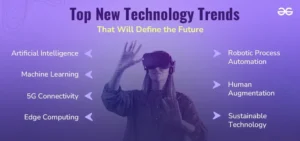
Emerging technologies are creating new ways for organisations to operate and communicate with customers. Cloud computing, machine learning, automation, data analytics and artificial intelligence allow businesses to improve efficiency while developing more personalised digital experiences. These technologies can help smaller companies compete with larger organisations by reducing costs and providing access to sophisticated tools.
However, technology alone does not guarantee success. Businesses need to choose solutions that genuinely solve customer problems or improve internal processes. Adopting every new technology without a clear purpose can create unnecessary costs and complexity. A strategic approach allows organisations to experiment with emerging tools while maintaining focus on their customers and commercial objectives.
The Rise of AI-Driven Online Experiences

AI is increasingly becoming part of everyday online experiences. Search engines, shopping platforms and digital services can use machine learning to understand user intent and provide more relevant information. AI assistants can also help people research topics, compare options and complete tasks, changing the traditional path between discovering information and taking action.
These developments are particularly important for digital marketers and content creators. Traditional search engine optimisation remains valuable, but businesses also need to create content that is genuinely useful, trustworthy and easy to understand. High-quality information supported by real expertise can help brands build authority as users increasingly interact with AI-powered discovery systems.
Online Ecosystem Shifts and Digital Marketing
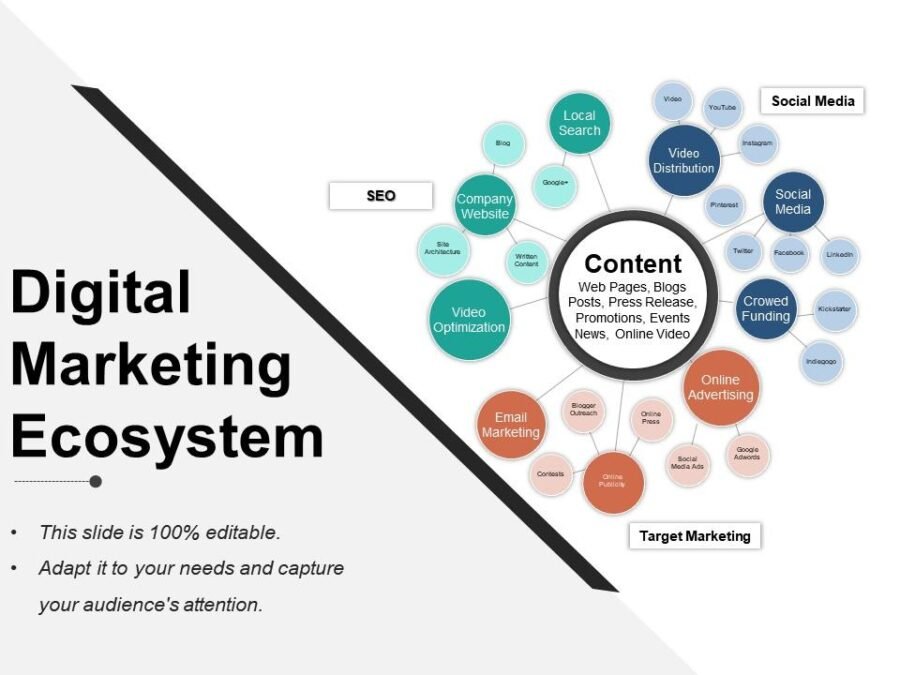
Digital marketing is moving towards a more diversified approach. Businesses can no longer assume that one source of traffic will remain reliable forever. Search engine optimisation, social media, email marketing, video content, influencer partnerships and online communities can each play a role in attracting and retaining customers.
The most effective strategies connect these channels rather than treating them as completely separate activities. A useful article can generate search traffic, provide material for social media and encourage visitors to join an email list. Building direct relationships with customers is particularly valuable because it gives businesses greater control over communication and reduces dependence on changing platform algorithms.
The Changing Role of Search Engines and Social Media
Search engines continue to play an important role in helping people find information, products and services. However, social platforms are increasingly becoming discovery channels as well. Users may discover a brand through a short video, creator recommendation, community discussion or customer review before searching for the company directly.
This creates both opportunities and challenges for businesses. Brands should consider how their content appears across different digital environments. Helpful videos, informative articles, positive reviews and engaging social content can work together to create stronger visibility. A diversified presence can also reduce the risks associated with relying heavily on a single platform or traffic source.
How Online Ecosystem Shifts Affect UK Businesses
UK businesses are operating in an environment where digital competition can come from both local and international companies. Small businesses can reach wider audiences through websites, online marketplaces, social media and digital advertising, but they must also compete for attention against established brands and rapidly growing competitors.
Local visibility remains particularly important for businesses serving specific communities. Accurate business information, useful website content, customer reviews and strong local search visibility can help companies connect with nearby customers. At the same time, businesses should pay attention to privacy, cybersecurity and changing customer expectations when developing their digital strategies.
Opportunities Created by Online Ecosystem Shifts
Changes in the digital ecosystem are creating opportunities for entrepreneurs and established companies alike. Businesses can develop digital products, offer online services, reach international customers and use automation to improve productivity. New platforms can also provide alternative routes to market, particularly for creators, independent businesses and niche brands.
Data is another important opportunity. When collected and used responsibly, customer data can help businesses understand behaviour, identify trends and improve experiences. Companies that combine reliable data with human judgement can make better decisions about marketing, products and customer service while remaining responsive to changing market conditions.
Challenges and Risks of a Changing Online Ecosystem
Online ecosystem shifts also create significant risks. Businesses can become too dependent on a particular search engine, social platform or marketplace. Algorithm updates can affect visibility, while changes to platform policies can alter advertising opportunities or audience reach. Maintaining several marketing channels can help organisations reduce this dependency.
Privacy, cybersecurity and misinformation are additional concerns. Consumers are becoming more aware of how their information is collected and used, making transparency increasingly important. Businesses also need to consider the quality of AI-generated content and ensure that technology does not replace proper fact-checking, human oversight or responsible decision-making.
How Businesses Can Adapt to Online Ecosystem Shifts
Businesses can respond by developing flexible digital strategies rather than relying on fixed approaches. Regularly monitoring search trends, consumer behaviour, platform developments and competitors can reveal important changes before they become major challenges. Organisations should also experiment with new technologies while measuring whether those tools deliver meaningful results.
Building direct relationships with customers is another valuable strategy. Email lists, communities, loyalty programmes and strong brand experiences can create channels that businesses have greater control over. Investing in useful content, digital skills, cybersecurity and customer service can further strengthen a company’s ability to adapt when the wider digital environment changes.
Future Trends Shaping Online Ecosystems
The future of the digital landscape is likely to involve deeper integration between artificial intelligence, search, commerce and personalised experiences. AI-powered assistants may increasingly influence how people discover information and make purchasing decisions. Video, interactive content and community-driven recommendations are also likely to remain important as consumers seek convenient and engaging digital experiences.
Privacy and digital trust will remain central issues. As technology becomes more powerful, consumers will expect businesses to use data responsibly and communicate clearly. Organisations that combine innovation with transparency, human expertise and strong customer relationships may be better positioned to succeed as new technologies and digital behaviours continue to emerge.
Conclusion
Online ecosystem shifts are changing the way businesses, consumers, platforms and technologies interact. Artificial intelligence, evolving consumer behaviour, changing search patterns, social media and privacy expectations are all contributing to a more complex digital environment. Businesses that understand these developments can identify new opportunities while preparing for the challenges created by rapid technological and market changes.
The most effective response is not to chase every new trend. Instead, organisations should build adaptable strategies around customer needs, quality content, diversified digital channels and responsible technology use. By continually learning and adjusting, businesses can remain visible, relevant and competitive as the digital landscape continues to transform.
FAQs About Online Ecosystem Shifts
What are online ecosystem shifts?
Online ecosystem shifts are changes in the way businesses, consumers, digital platforms, technologies and online communities interact. These changes can be caused by new technologies, changing consumer behaviour, platform developments, privacy expectations and evolving digital business models.
Why are online ecosystem shifts important for businesses?
They can influence how customers discover brands, how companies market products and how businesses compete online. Understanding these changes helps organisations adapt their strategies and identify new opportunities before competitors.
How is AI contributing to online ecosystem shifts?
AI is changing search, content creation, personalisation, automation and customer service. AI-powered tools can influence how people discover information and interact with businesses, making artificial intelligence an increasingly important part of the digital ecosystem.
How do online ecosystem shifts affect SEO?
They are encouraging businesses to focus on useful, authoritative and people-first content. Search behaviour is also becoming more diverse as consumers use traditional search engines, social platforms, communities and AI-powered tools to discover information.
What trends should UK businesses monitor?
UK businesses should monitor artificial intelligence, search developments, social media behaviour, online commerce, consumer expectations, privacy requirements, cybersecurity and emerging technologies that could affect their industry.
How can small businesses adapt to online ecosystem shifts?
Small businesses can diversify their digital channels, improve their website, develop useful content, maintain strong customer relationships, monitor industry changes and adopt technology that solves genuine business problems.
Will AI replace traditional digital marketing?
AI is more likely to transform digital marketing than completely replace it. Human creativity, strategy, expertise, relationship-building and judgement will remain important, while AI can support research, automation, personalisation and content development.
How can businesses prepare for future online ecosystem shifts?
Businesses should regularly review their digital strategy, monitor customer behaviour, develop digital skills, test emerging technologies and avoid becoming overly dependent on a single platform or traffic source.