Introduction to Smart Assistant Utilities
Smart assistant utilities are becoming an important part of modern digital life, helping people complete everyday tasks with less effort. From writing emails and organising schedules to finding information and creating reminders, these intelligent tools can turn complicated activities into simple conversations. As artificial intelligence continues to develop, digital assistance is becoming more practical, personalised and accessible.
The growing popularity of Smart assistant utilities reflects a wider shift towards automated productivity. Instead of opening several applications for separate tasks, users can increasingly rely on AI-powered assistants to organise information and support their workflows. Whether used at home, in education or at work, these tools can save time while making everyday digital activities easier to manage.
What Are Smart Assistant Utilities?
Smart assistant utilities are AI-powered digital tools designed to understand instructions and help users perform useful tasks. They can respond to questions, generate content, organise information, provide reminders and assist with routine activities. Unlike traditional software that often requires specific commands, intelligent assistants can understand natural language and respond in a conversational way.
Many of these tools use technologies such as natural language processing, machine learning and automation. This allows them to interpret what a person wants and provide an appropriate response. Some assistants can also connect with calendars, email platforms, documents and other applications, creating a more connected digital experience for users.
How Smart Assistant Utilities Work
The process usually begins when a user enters a question, command or request. The AI system analyses the language, identifies the intended task and generates a response or performs an available action. Depending on the platform, the assistant may also use information from connected applications to provide more relevant and personalised support.
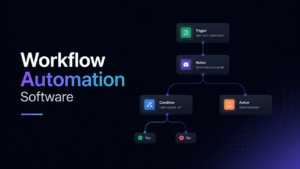
Automation is another important part of these tools. Instead of repeatedly completing the same routine activity, users can allow an AI assistant to help manage reminders, organise tasks or prepare information. However, users should still review important outputs because AI systems can occasionally misunderstand instructions or produce inaccurate information.
Best Types of Smart Assistant Utilities for Everyday Use
Smart assistant utilities cover a wide range of functions, making them useful for different lifestyles and working environments. Some focus mainly on productivity, while others specialise in writing, research, scheduling, communication or voice interaction. Understanding these categories can help users select tools that match their particular needs.
The most useful option depends on the task a person wants to simplify. A student may benefit from research and study assistance, while a professional may prefer scheduling, email and meeting support. Home users might prioritise voice commands, reminders and smart-home features.
AI Productivity Assistants

AI productivity assistants can help users organise their daily responsibilities and maintain better control over busy schedules. They can support to-do lists, task planning, reminders and prioritisation. By turning scattered responsibilities into organised information, these tools can make it easier to understand what needs attention and when it should be completed.
For professionals and remote workers, productivity automation can reduce the amount of time spent on repetitive administrative activities. Users can also employ AI tools to summarise information, organise notes and prepare basic content. The goal is not simply to automate everything, but to give people more time for tasks that require creativity and judgement.
Smart Writing and Communication Tools
Writing assistants are increasingly useful for preparing emails, reports, messages and other forms of communication. They can suggest clearer wording, correct grammar, summarise lengthy information and adjust the tone of a message. This makes AI writing assistance particularly valuable for people who communicate frequently in professional or educational environments.
Smart assistant utilities can also support multilingual communication through translation and language suggestions. However, generated text should be reviewed before it is sent or published. Personal context, factual accuracy and the intended tone still require human judgement, particularly when communicating sensitive or important information.
AI Research and Information Tools
AI research assistants can help users understand large amounts of information more efficiently. Instead of manually reviewing every paragraph of a lengthy document, users can ask an AI tool to identify key themes, summarise important points or explain complicated concepts in simpler language.
These tools are useful for students, researchers, professionals and anyone who regularly works with information. Nevertheless, AI-generated research should not automatically be treated as authoritative. Important claims should be checked against reliable sources, especially when the information could influence financial, legal, medical or professional decisions.
Smart Scheduling and Organisation Utilities
Scheduling assistants can simplify the process of managing appointments, meetings and personal commitments. They may help users organise calendars, create reminders and identify available periods for activities. This can be particularly useful for people balancing multiple projects, deadlines and responsibilities.
Organisation tools can also help transform simple instructions into practical plans. For example, a user might ask for a structured schedule based on several tasks and deadlines. The assistant can suggest an arrangement, while the user remains responsible for deciding which priorities are genuinely most important.
Voice-Based Smart Assistants
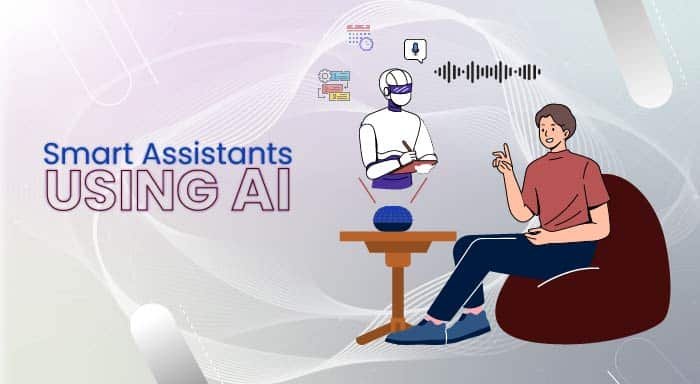
Voice AI assistants provide hands-free access to digital services, allowing users to interact with technology through spoken commands. They can be useful for setting reminders, checking information, controlling compatible smart-home devices and performing simple tasks without typing.
Voice interaction can also improve accessibility for people who find traditional interfaces difficult to use. As speech recognition becomes more capable, voice assistants are moving beyond basic commands towards more conversational interactions. Their usefulness still depends on device compatibility, internet access, privacy settings and the quality of the underlying AI system.
Key Benefits of Smart Assistant Utilities
One of the biggest advantages is convenience. Smart assistant utilities can bring several digital functions together, helping users manage communication, organisation, research and productivity from fewer interfaces. This can reduce repetitive work and allow people to spend more time on activities that require personal judgement or creative thinking.
Another major benefit is accessibility. Users can interact with AI through text or voice and often receive information in a format that suits their needs. Personalisation can also make digital assistance more useful because some systems can adapt responses to preferred formats, routines or workflows.
Smart Assistant Utilities for Work, Study and Business
In workplaces, AI assistants can support administrative tasks, communication, research and project organisation. Freelancers may use them to prepare messages and manage schedules, while businesses can explore AI tools for customer support, internal documentation and routine workflows. Used responsibly, these applications can improve efficiency without removing the need for human oversight.
Students can also benefit from AI-powered assistance when organising study plans, understanding difficult concepts and summarising learning materials. The technology should support learning rather than replace it. Developing independent thinking, checking information and completing original work remain important parts of education.
Choosing the Right Smart Assistant Utility
Choosing an AI assistant should begin with identifying the problem that needs to be solved. Someone looking for scheduling support will have different requirements from a person who mainly needs writing or research assistance. Starting with a clear purpose makes it easier to compare tools and avoid paying for unnecessary features.
Users should also consider ease of use, device compatibility, integrations, privacy controls and pricing. A tool that works smoothly with existing applications may provide greater value than one with a longer feature list. It is also worth checking whether the service offers free access or requires a recurring subscription.
Important Features to Look For
Useful features can include natural language understanding, voice interaction, personalisation, task automation and integration with other applications. Document support, cross-platform access and custom workflows can also make an assistant more practical for everyday use. The best combination depends on how frequently and extensively the tool will be used.
Security and privacy should receive equal attention. Users should understand what information an assistant can access and which permissions are required. Reliable tools should provide clear privacy information and appropriate account controls. Convenience is valuable, but it should not come at the expense of responsible data management.
Privacy and Security Considerations
AI assistants can sometimes process information from conversations, documents, calendars or connected services. This means users should think carefully about what information they provide. Avoiding unnecessary sensitive data and regularly reviewing application permissions can reduce potential privacy risks.
Strong passwords, multi-factor authentication and updated software can provide additional protection. Users should also read the privacy policy of any service they plan to use. Understanding how information is collected, processed and stored allows people to make more informed decisions about digital tools.
Limitations of Smart Assistant Utilities
Despite their advantages, AI assistants are not perfect. They can misunderstand instructions, generate incorrect information or provide answers that sound convincing without being fully accurate. Their performance can also vary depending on the quality of the input, the available data and the capabilities of the specific service.
Over-reliance is another potential problem. AI should generally be treated as an assistant rather than an unquestionable authority. Reviewing important information, applying personal judgement and verifying critical claims can help users gain the benefits of automation without allowing technology to replace responsible decision-making.
The Future of Smart Assistant Utilities
The future of Smart assistant utilities is likely to involve deeper personalisation and greater integration across digital services. Instead of simply responding to individual questions, future assistants may be able to manage longer sequences of tasks while keeping users informed and in control.
Multimodal interaction could also become more common, allowing assistants to understand combinations of text, voice, images and documents. As AI technology develops, these tools may become more proactive and capable. Privacy, transparency and user control will remain important considerations as digital assistants become more deeply embedded in everyday life.
Conclusion: Making Everyday Tasks Smarter
Smart assistant utilities are changing how people interact with digital technology by combining artificial intelligence, automation and natural language communication. They can support productivity, writing, research, scheduling, organisation and everyday tasks, making digital activities more convenient and accessible.
The best approach is to choose tools according to genuine needs rather than simply following technology trends. By considering features, reliability, privacy and security, users can make smarter choices. With responsible use and human oversight, AI-powered assistants can become valuable partners for managing modern digital life.
Frequently Asked Questions About Smart Assistant Utilities
What are smart assistant utilities?
Smart assistant utilities are AI-powered digital tools that help users complete tasks such as writing, research, scheduling, organisation, communication and information gathering through text, voice or automated commands.
What can smart assistant utilities do?
They can assist with reminders, planning, writing, research, summarisation, scheduling, translation, communication and other routine digital activities, depending on the features provided by the specific tool.
Are smart assistant utilities free to use?
Some AI assistants offer free plans with basic features, while others use paid subscriptions for advanced capabilities. Users should compare features, limitations and pricing before choosing a service.
Are smart assistant utilities safe?
They can be safe when used responsibly, but users should review privacy policies, permissions and security settings. Sensitive information should only be shared when necessary and with trusted services.
Can smart assistant utilities improve productivity?
Yes. They can reduce repetitive work, organise information, assist with planning and help users complete routine tasks more efficiently, allowing more time for creative and higher-value activities.
Can smart assistant utilities be used for work and study?
Yes. They can support research, writing, planning, summarisation, scheduling and learning. However, users should verify important information and follow applicable academic or workplace rules.
What features should I look for in an AI assistant?
Important features include natural language understanding, automation, integrations, personalisation, voice support, cross-platform compatibility, privacy controls and reliable performance.
What is the difference between a virtual assistant and an AI assistant?
A traditional virtual assistant often relies on predefined commands and functions, while an AI assistant can use machine learning and natural language processing to understand more flexible instructions and generate contextual responses.
What are the limitations of smart assistant utilities?
Common limitations include inaccurate information, misunderstandings, privacy concerns, restricted integrations and inconsistent results. Human review remains important for important or sensitive decisions.
What is the future of smart assistant utilities?
Future AI assistants are expected to become more personalised, conversational and capable of handling multi-step tasks. Greater integration with devices and applications may make them increasingly useful in everyday life.